A harrowing film about abuse and those who enable it
Now Playing: Manas

Hi,
First, a quick content warning: I'm reviewing Manas, which is a film that deals with the sexual abuse of children. I discuss the subject in general terms, but not in graphic or explicit detail.
If you're new to the newsletter, welcome. This is part of an occasional series (more occasional than I would like frankly) where I review films playing at the Ross Media Arts Center. Here are a few of my favorites:
 Tynan Stewart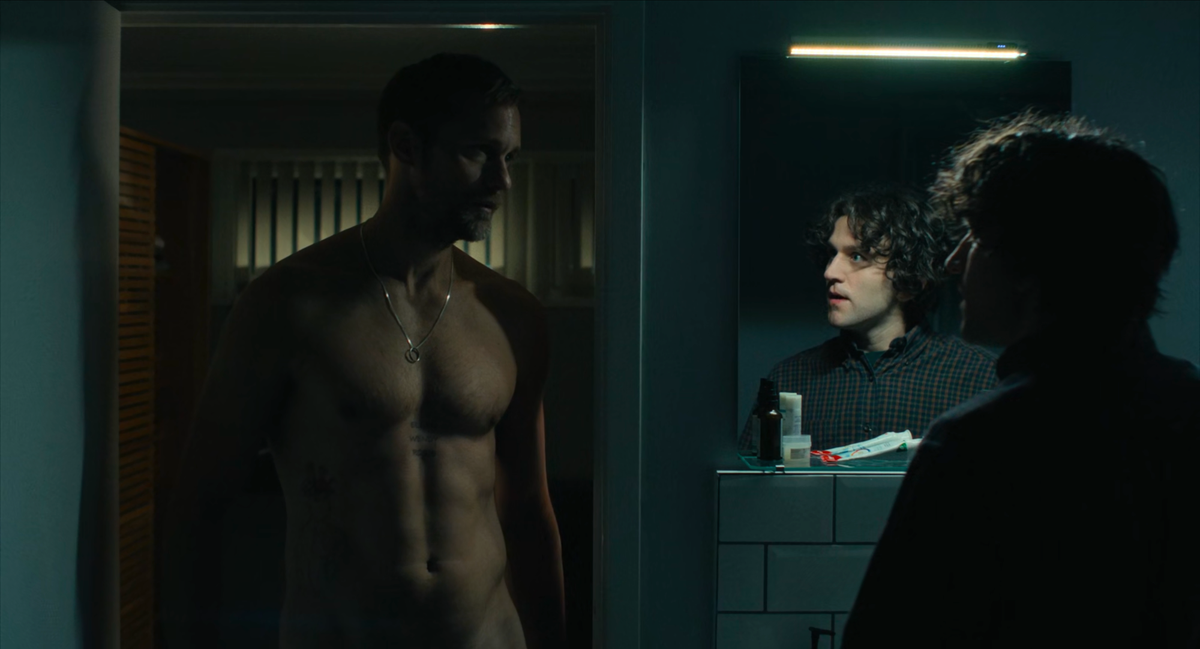
 Tynan Stewart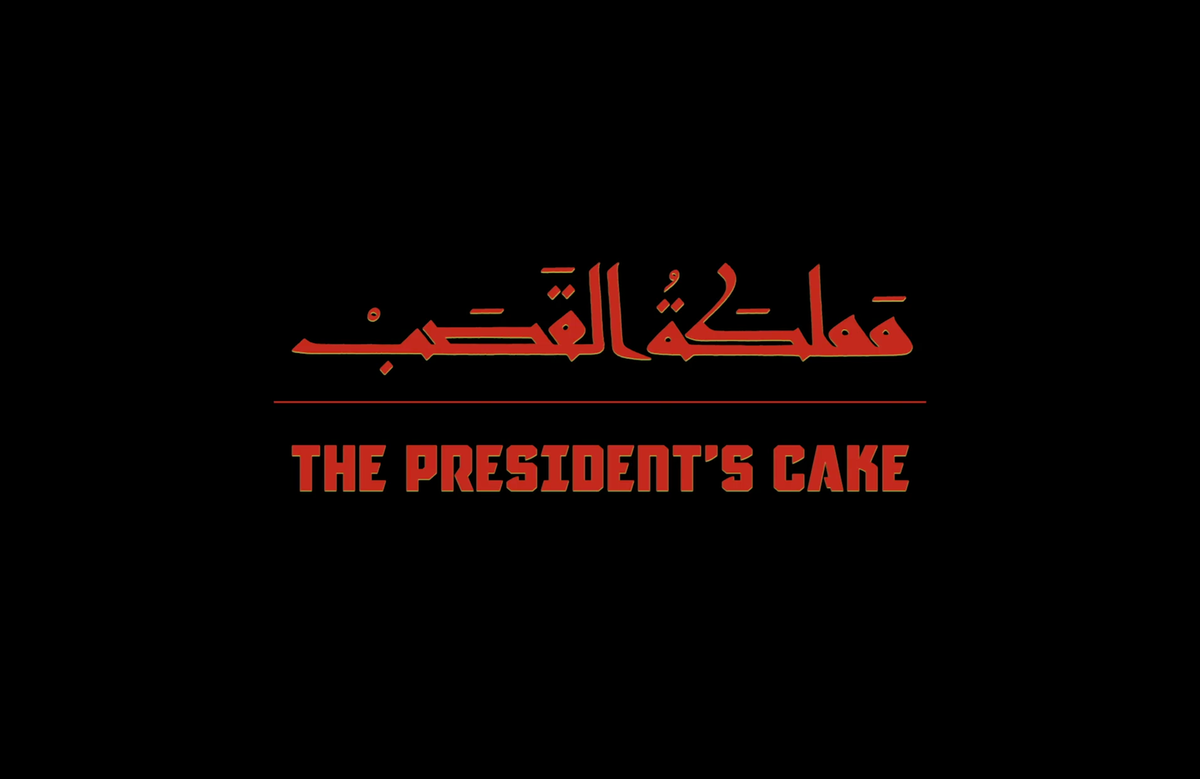
 Tynan Stewart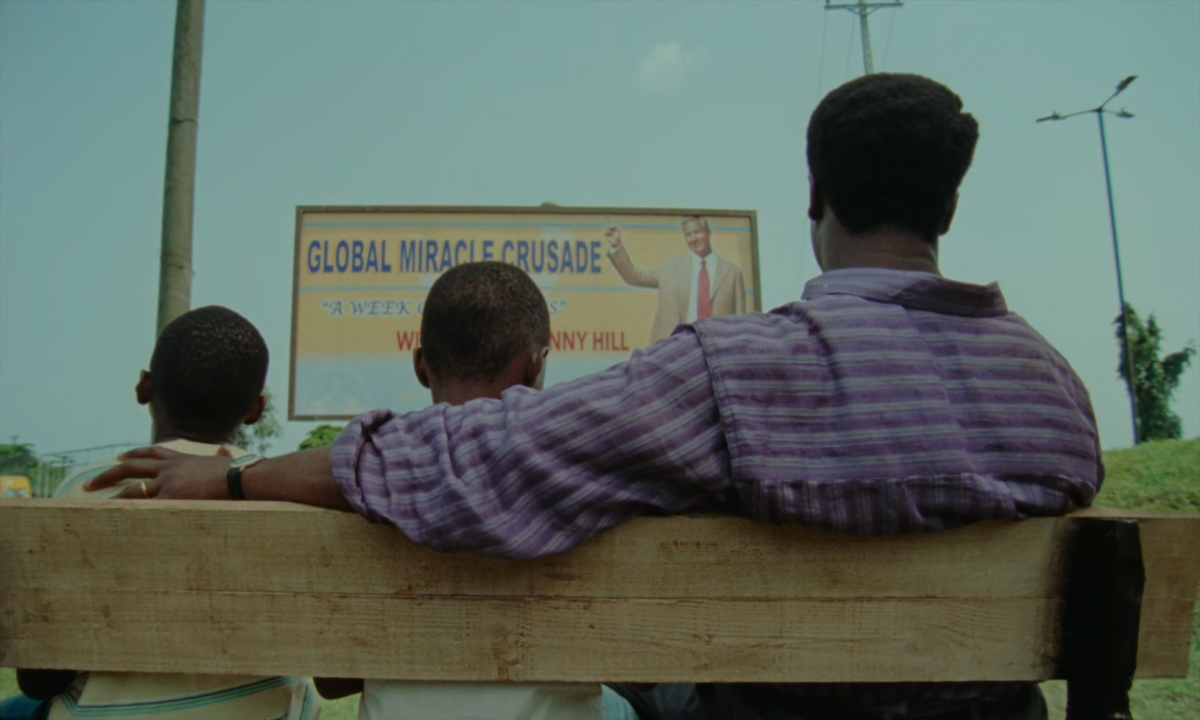
Apart from Manas, there's one other movie currently playing at the Ross. It's a documentary about Peter Asher, a significant (though perhaps not well-known) figure in the music world. I don't know much about it apart from what's in the trailer, but it looks like the type of music doc that will play well with the Ross's audience.
Finally, I've included the schedule of upcoming films at the bottom of this post.
Thanks for reading, and please consider signing up for a paid subscription to support this work.
~ Ty
P.S. If you see any of the films that I write about, please share your thoughts. Only paid subscribers can comment below, but anyone can send me an email: tynanstewart@proton.me
Now Playing: Manas
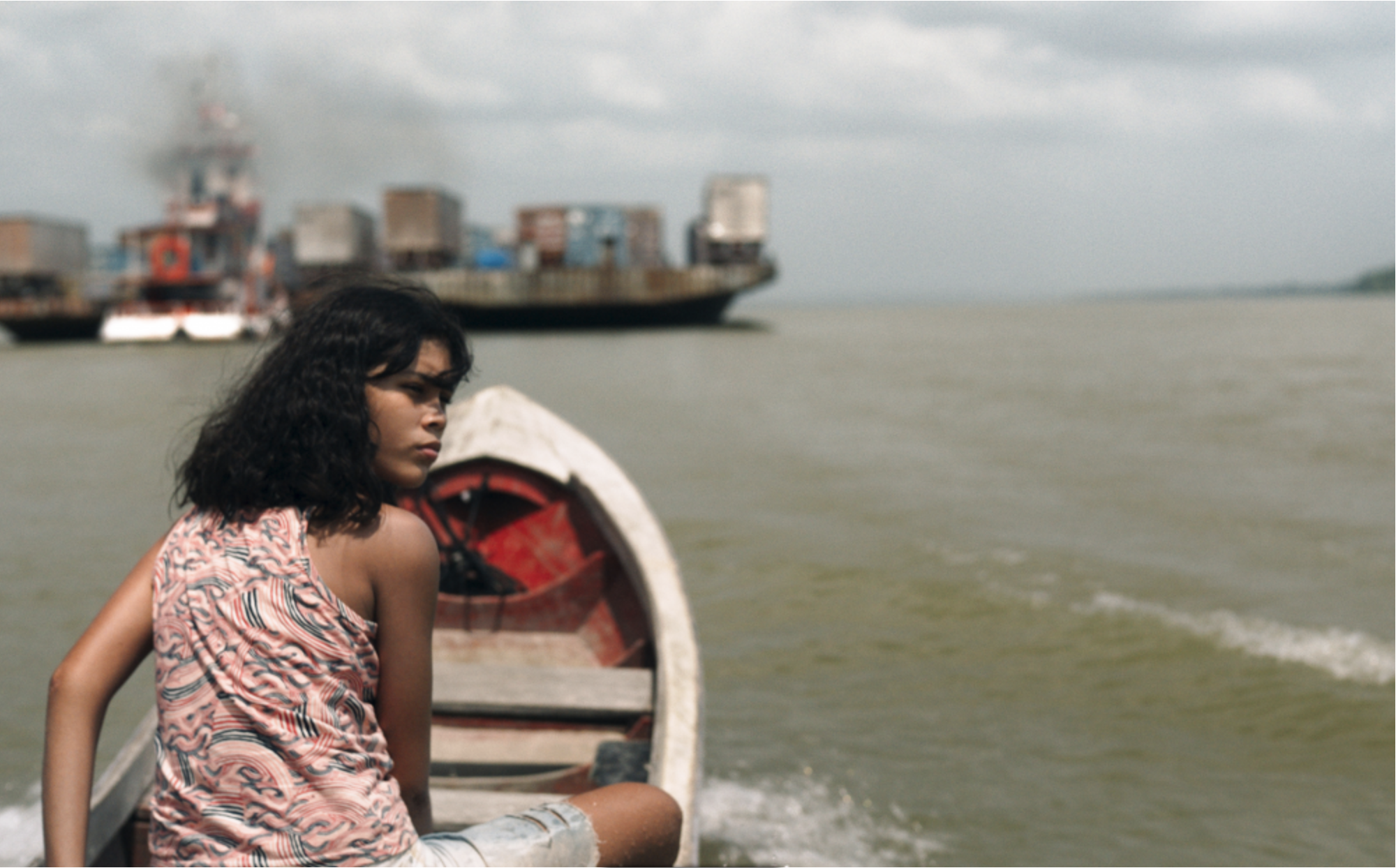
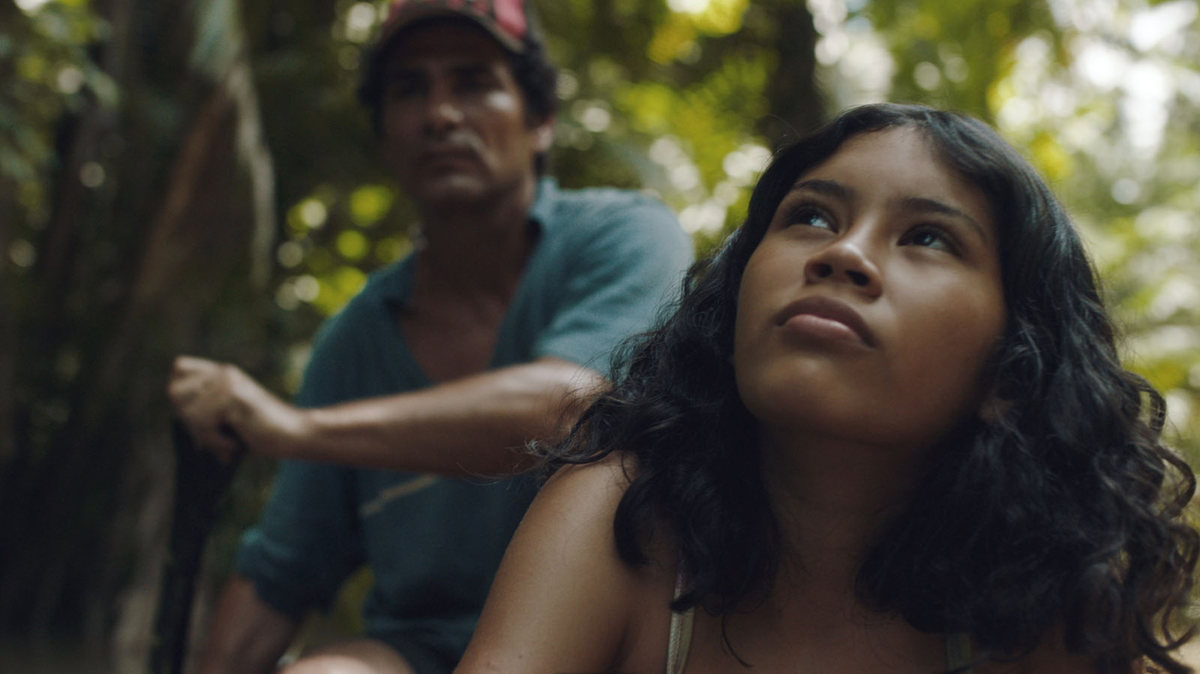
I feel unable to write about Manas — a film about the sexual exploitation of children in Brazil and the social structures that enable their abuse — in the typical film-reviewer mode. I could compliment the acting, talk about the intricate staging of each scene, and praise the cinematography. But even writing that sentence makes me feel a little uneasy, like I'm failing in my role as a critic. The horrific subject matter seems to demand something more than an assessment of the ways in which the film succeeds or fails aesthetically.
And yet: Manas is not a morality play or didactic lecture. It a piece of art crafted with obvious care and attention to detail. It is an aesthetic object and must be evaluated as one. Moreover, the filmmakers clearly understood that, by making a movie about child abuse, they had to grapple with problems as old as cinema itself: How do you film violence (even fictional violence) without simply reproducing it? Is it right to create something beautiful about the worst crime a human can commit? How do you depict depravity without becoming complicit?
The solution adopted by director Marianna Brennand, who spent years researching sexual violence in northern Brazil, is to tell a story about catastrophic institutional failure through the eyes of a single victim. The film is tightly focused on Marcielle (Jamilli Correa), a 13-year-old girl living on the island of Marajó in the Amazon River Delta, and depicts the sexual violence she suffers at the hands of multiple men, including her own father and the transient barge workers who pass through her community. In fact, Manas is so tightly focused on Marcielle that there are very few moments when she's not on screen. Yet by keeping the camera fixed on her and by telling a story about her everyday life, the film manages to explore the broader social context that enables her abusers.
We follow Marcielle as she moves between suffocating institutions, many of which are supposed to protect and nurture her but instead silence her and keep her vulnerable. The school provides biology textbooks with the pages on sexual reproduction stapled shut. In church, the pastor preaches that family is the end and meaning of faith, that what happens within a family should stay there. A sympathetic female police officer attempts to intervene but cannot convince Marcielle's mother to speak up about her husband's behavior. And as for the family unit itself? Well, its patriarchal structure seems to be the root of the problem. Marcielle's father maintains absolute power within the household and clearly sees his wife and children as property, not people with autonomy of their own.
The film maintains a delicate balance when depicting the dynamics of Marcielle's abuse. We are never shown graphic or explicit sexual violence, but the ways in which her father manipulates and grooms her receive extensive screen time. Some of the most uncomfortable scenes center on acts that would, in a different context, be signs of paternal affection: Gifts, compliments and time spent teaching Marcielle to hunt — all are warped by her father's malign intentions into something grotesque and sinister.
But the moments that linger in my mind are, ultimately, when the film's visual design feels in perfect harmony with the story being told. At multiple points, the camera places Marcielle behind wooden slats or within the confines of a narrow space, both visuals that evoke the oppressive nature of her surroundings far better than any expository dialogue could.
Best (or perhaps worst) of all is the way Manas uses the foreground and background to illustrate the looming threat of men in Marcielle's life. Often, a man will first appear behind her as a blurry, insubstantial figure — sometimes glimpsed through a window or reflected in a mirror — who only comes into focus as he approaches.
It's an evocative use of visual language that has stuck with me precisely because it is subtle and circumspect. In a way, the technique is a figure for the film itself: Manas doesn't bludgeon or attempt to outrage the viewer with graphic images of sexual exploitation. Instead it aims to haunt them with things that are just out of sight and just out of focus — but still very real.
Manas is playing at the Ross through Thursday, August 13. You can find specific showtimes on the theater's website.
Coming Soon
- Reservation Redemption, a one-night screening tonight (Monday, August 10).
- The Invite, which opens Friday, August 14.
- Sheep in the Box, which opens Friday, August 14.
- Maddie's Secret, which opens Friday, August 21.
- Underland, which opens Friday, August 28.
- Late Fame, which opens Friday, August 28.
- The 15th annual Prairie Pride Film Festival, which runs Friday August 28 to Sunday, August 30.
- The Decline of Western Civilization, a one-night screening on Wednesday, September 2.
- Awake, My Soul, which opens Friday, September 4.
- So Surreal: Behind the Masks, which opens Friday, September 4.
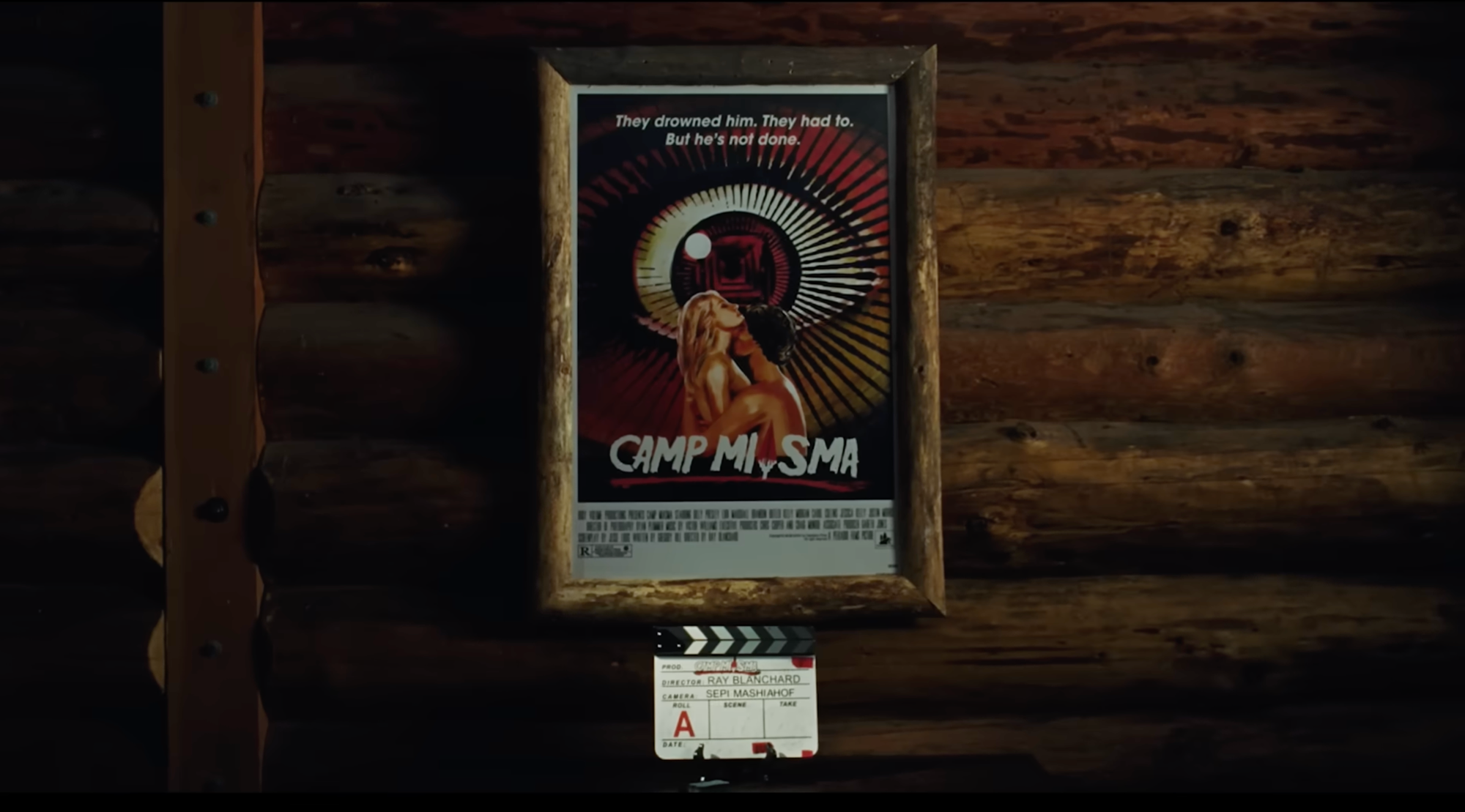
- Teenage Sex and Death at Camp Miasma, which opens Friday, September 11.