'Everything is sacrifice'
Now Playing: My Father's Shadow

Hi,
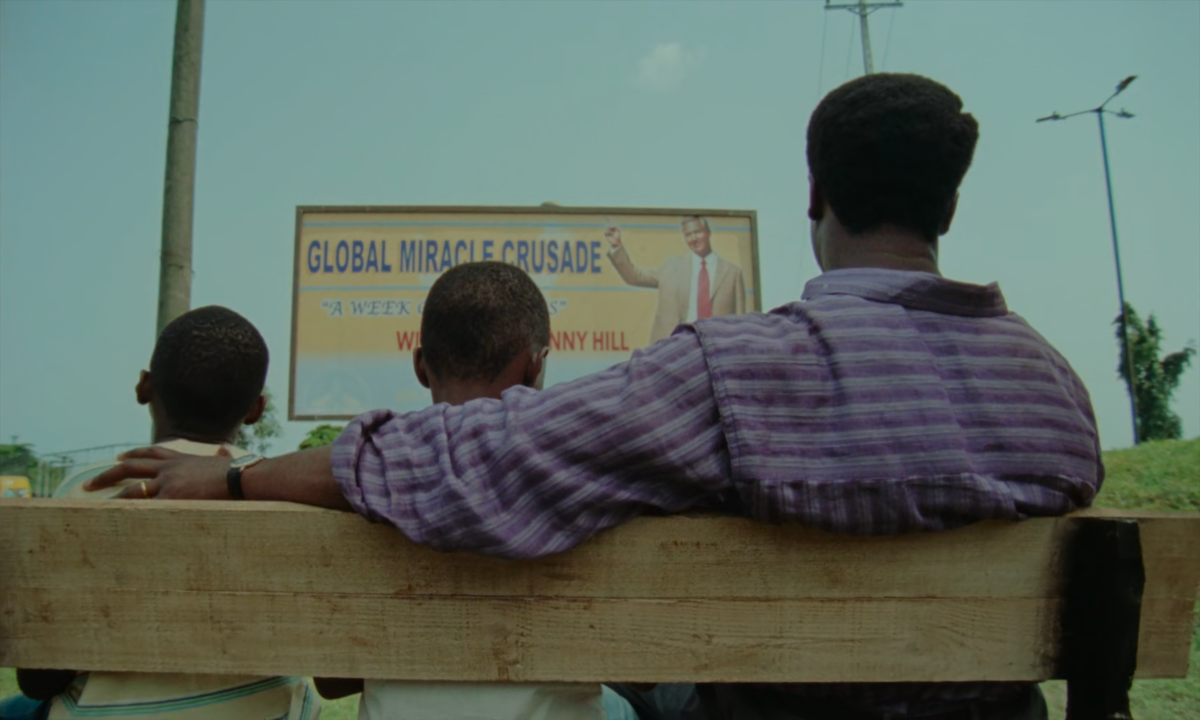
There are two movies currently playing at the Ross: My Father's Shadow, a story about the relationship between a father and his sons that unfolds against the backdrop of Nigeria's military dictatorship in the 1990s; and Yes, a satire of Israeli society set during the country's (ongoing) genocide of Palestinians.
I wrote about My Father's Shadow below. I haven't had a chance to see Yes, though I still want to. (I'm running out of time; the film is only showing at the Ross through Thursday.)
If you like this review or any of my other work, please tell your friends about This Week In Lincoln! Your recommendation really helps this newsletter grow.
Thanks for reading.
~ Ty
P.S. If you see any of the films that I write about, please share your thoughts. My email is tynanstewart@proton.me
Now Playing: My Father's Shadow
Politics can be — and too often is — the domain of small minds and petty grievances. Its reputation as an ugly, dirty business is well-deserved. But it doesn't have to be this way. Participation in a political system is also, for those whose brains aren't poisoned by cynicism, an expression of faith in the possibility of a better future: Sure, things are bad now, but perhaps, through collective effort and struggle, we can make things better for the next generation. Is there any political ideal more universal than: Our kids deserve better than this?
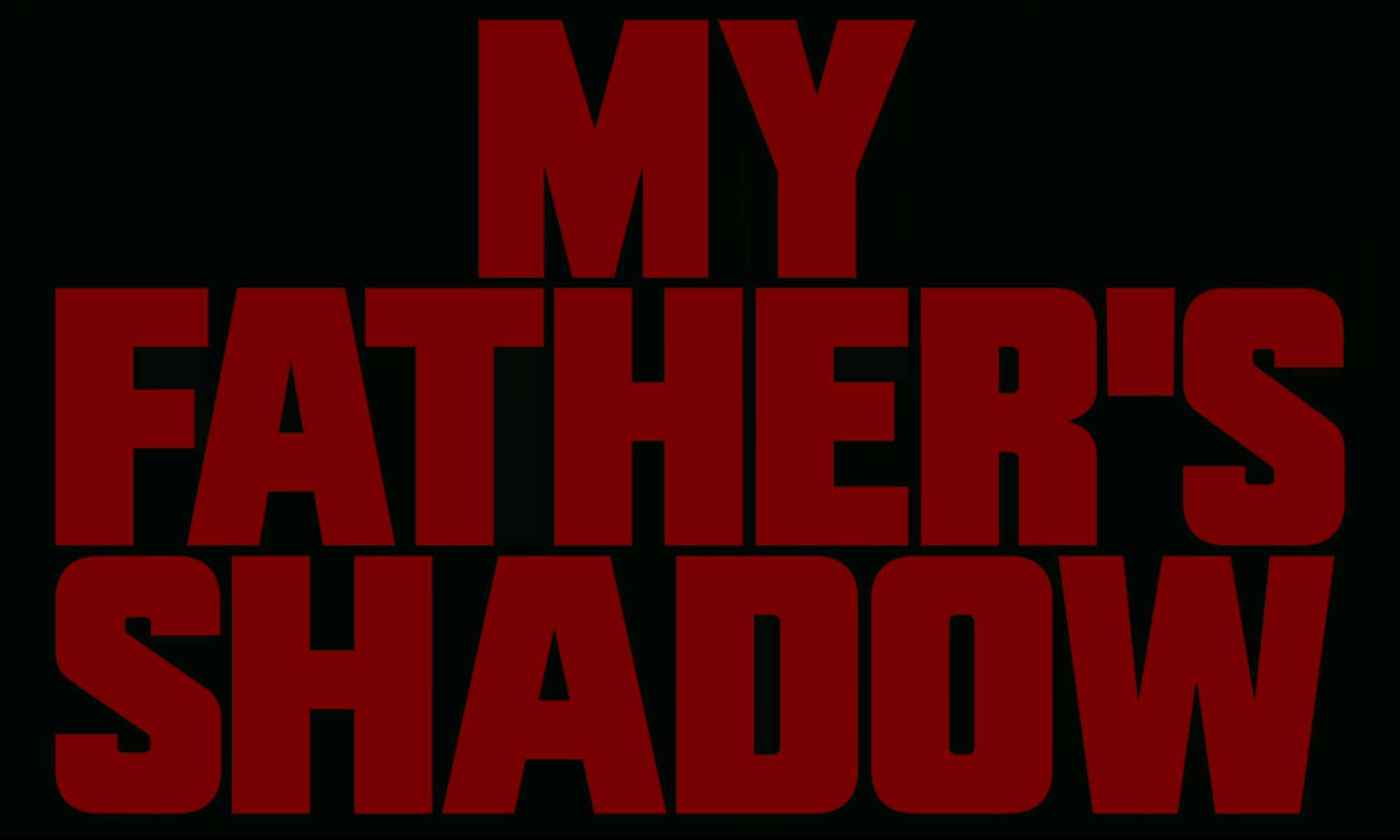
My Father's Shadow, a beautiful and compelling film from director Akinola Davies Jr., is deeply concerned with the relationship between politics and parenthood — or more specifically, as the title indicates, the relationship between politics and fatherhood. Set during the 1993 presidential election in Nigeria, it follows Folarin (played by Ṣọpẹ́ Dìrísù), an absent father and struggling factory worker who is also involved in his country's pro-democracy movement. The story, which is structured as a drifting and dreamlike tour of visually captivating spaces in the city of Lagos, focuses less on Folarin's activism — the contours of which are left deliberately vague — and more on his post-hoc attempt to connect with his sons, Akin and Remi.
It quickly becomes clear that Folarin (often referred to by others in the film as "Kapo") hasn't been a significant presence in his children's lives. When he returns home unexpectedly in the film's opening act, the boys treat him with a mix of awed curiosity and muted resentment. And no wonder: Folarin barely stays long enough to take a shower and change his clothes. One senses that Akin and Remi have only ever interacted with their father in such fleeting moments. This time, though, Folarin makes a seemingly impromptu and unexpected decision: When he leaves for Lagos, ostensibly to collect back pay from a job he works to support the family, he takes Akin and Remi along with him.
There are shades of The President's Cake here. Both are stories about children from the rural periphery thrust into the chaos of a metropolis while a political crisis looms in the background. A major difference, narratively speaking, is that Akin and Remi never get physically lost in Lagos, as Lamia does in Baghdad. And that's because the boys' father is always there, often literally taking them by the hand to protect them from reckless drivers on unsafe streets. Yet in a deeper sense, the boys are lost: They are wandering in search of a man they barely know — a father who is physically present but spiritually absent. We see Folarin's actions through his sons' eyes and, from their perspective, many of his decisions seem unaccountably strange. At one point, Folarin gives money to a hard-up friend who approaches him on the street. He does so furtively. But the boys notice and it's hard not to feel, in that moment, that their father cares more about this man — to them, a complete stranger — than their mother, who has been raising them virtually alone and in poverty.
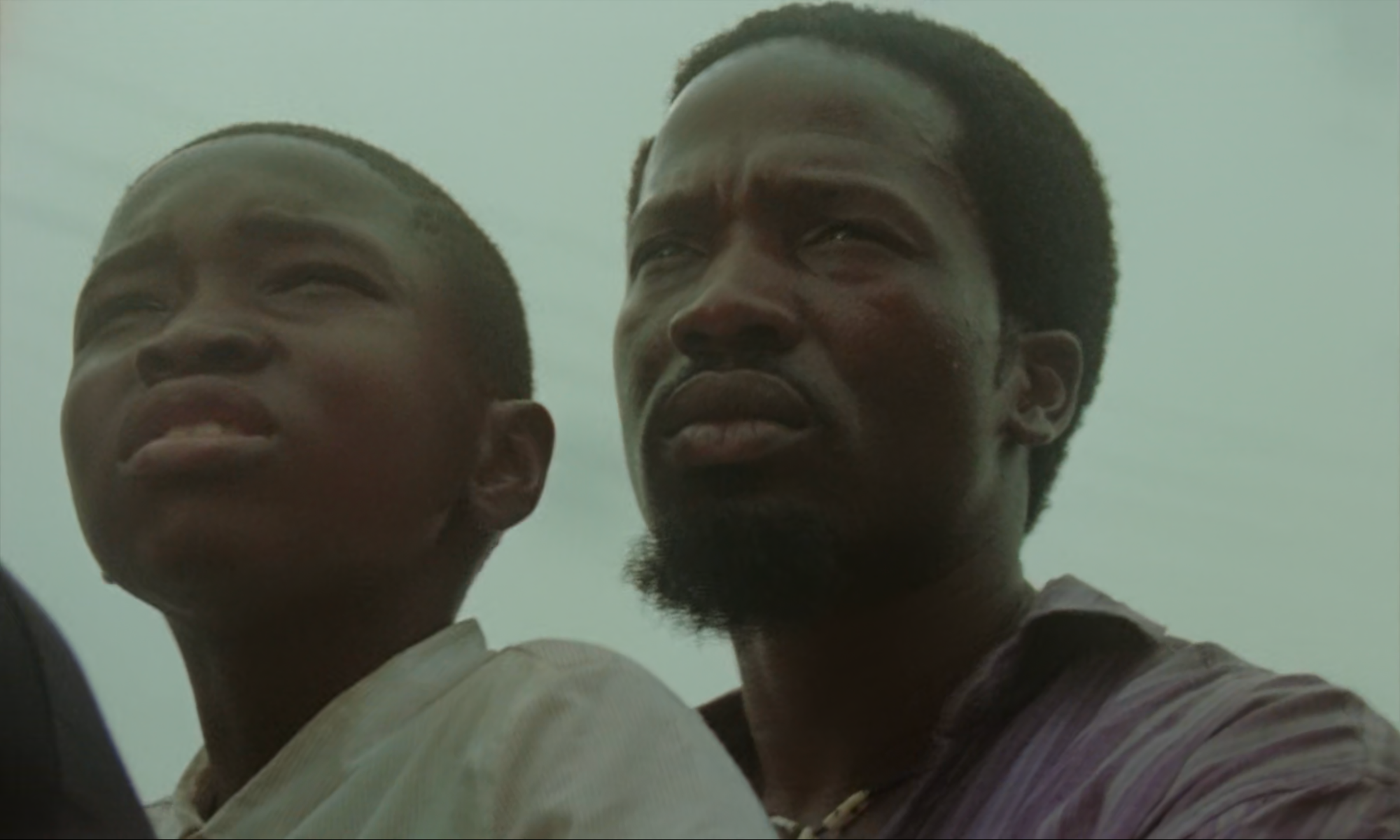
"Everything is sacrifice," Folarin says at one point. "You just have to pray you don't sacrifice the wrong thing."
It's obvious what Folarin has given up; he has sacrificed the chance at being a father in any meaningful sense. His boys are eight and ten years old, and he barely knows them. But to what end? Was it worth it? What did he make this sacrifice for?
There are scattered hints that slowly accumulate into something like proof that Folarin has maintained a secret double-life as a pro-democracy activist. The 1993 presidential election in Nigeria took place under the shadow of a military dictatorship, and Folarin repeatedly makes his distaste for the regime clear. He also carries deep emotional and physical scars from trauma inflicted by the military; the film is intercut, at multiple points, with kaleidoscopic flashbacks of some unspecified but painful memory. What happened to Folarin only truly comes into focus in the final minutes of the the film when — spoilers for history here — the military refuses to accept the election results and Lagos is plunged into violence.
This political context is vital to understanding the film's ending, which is bleak yet proportionate to the scale of the political calamity. As an excellent review from Africa Is a Country puts it:
My Father’s Shadow is set on June 12, 1993, a date on which an entire national imagination swung shut. On that day, Nigerians went to the polls in the first democratic election since a military coup a decade earlier, and they elected Moshood Abiola in what political observers at the time widely regarded as the freest vote the country had ever seen. Abiola, a Yoruba Muslim, won across ethnic and religious lines, building an aspirational pan-Nigerian coalition. For a brief, vertiginous moment, the country cohered around a shared democratic future. Then General Ibrahim Babangida—who had ruled since seizing power in the 1985 palace coup and had already postponed the transition to civilian rule twice—simply annulled the results, invoking unspecified "irregularities" to void the most credible election the country had ever held. The future collapsed.
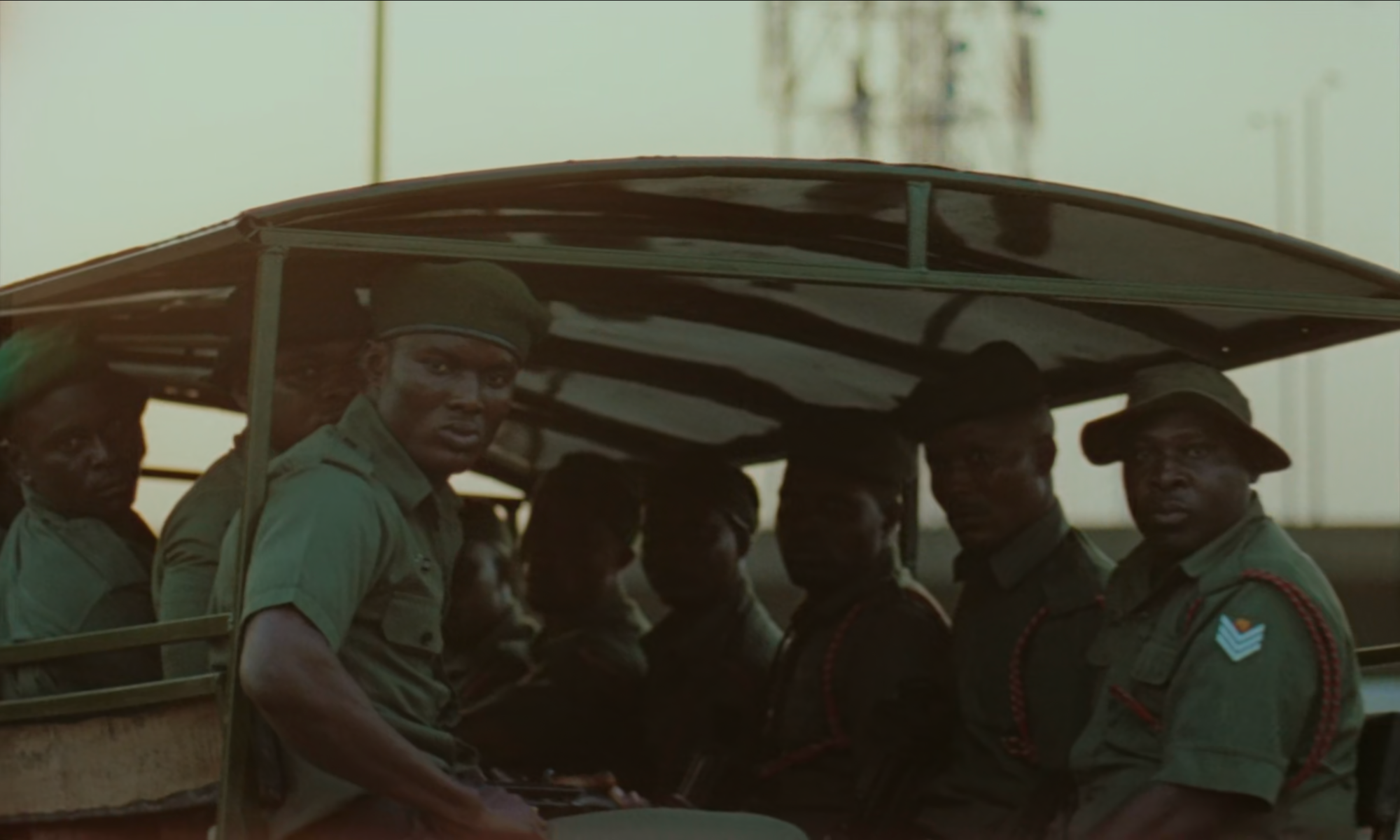
For Folarin, this betrayal of democracy is an existential blow. It represents more than the failure of a political project; the annulment of the election is also a repudiation of his life choices. By attempting to transform his country for the better, Folarin sacrificed the chance to know his own children and, when the military reestablishes control, that sacrifice is seemingly rendered pointless.
But what makes My Father's Shadow truly excellent is that it never plunges into nihilism. The emotional heart of the film is concentrated into a scene on the beach where Folarin, who has been distant and reserved for much of the runtime, allows himself to be vulnerable in front of Remi, his elder son. He tells Remi the most important thing a man can do is take care of his family — something his own father failed to do, a mistake he never wanted to repeat. "I want to be with you boys and your mother always," he tells Remi. "But life is not like that. Nigeria is hard."
Folarin's dream of a better Nigeria is not just a selfish one; the film implies, though never directly states, that he is reaching toward a better world for the sake of his sons. That future eludes his grasp, but that doesn't mean the choices he makes are meaningless. My Father's Shadow offers us a vision, not of a perfect father, but one struggling to make the best of circumstances beyond his control. The shadow he casts will outlast him; and perhaps Akin and Remi, who will continue to carry their father's dream, won't have to make the same terrible sacrifices.
My Father's Shadow is playing at the Ross through Thursday, July 9. You can find specific showtimes on the theater's website. The film is also available to stream on MUBI.
Coming Soon
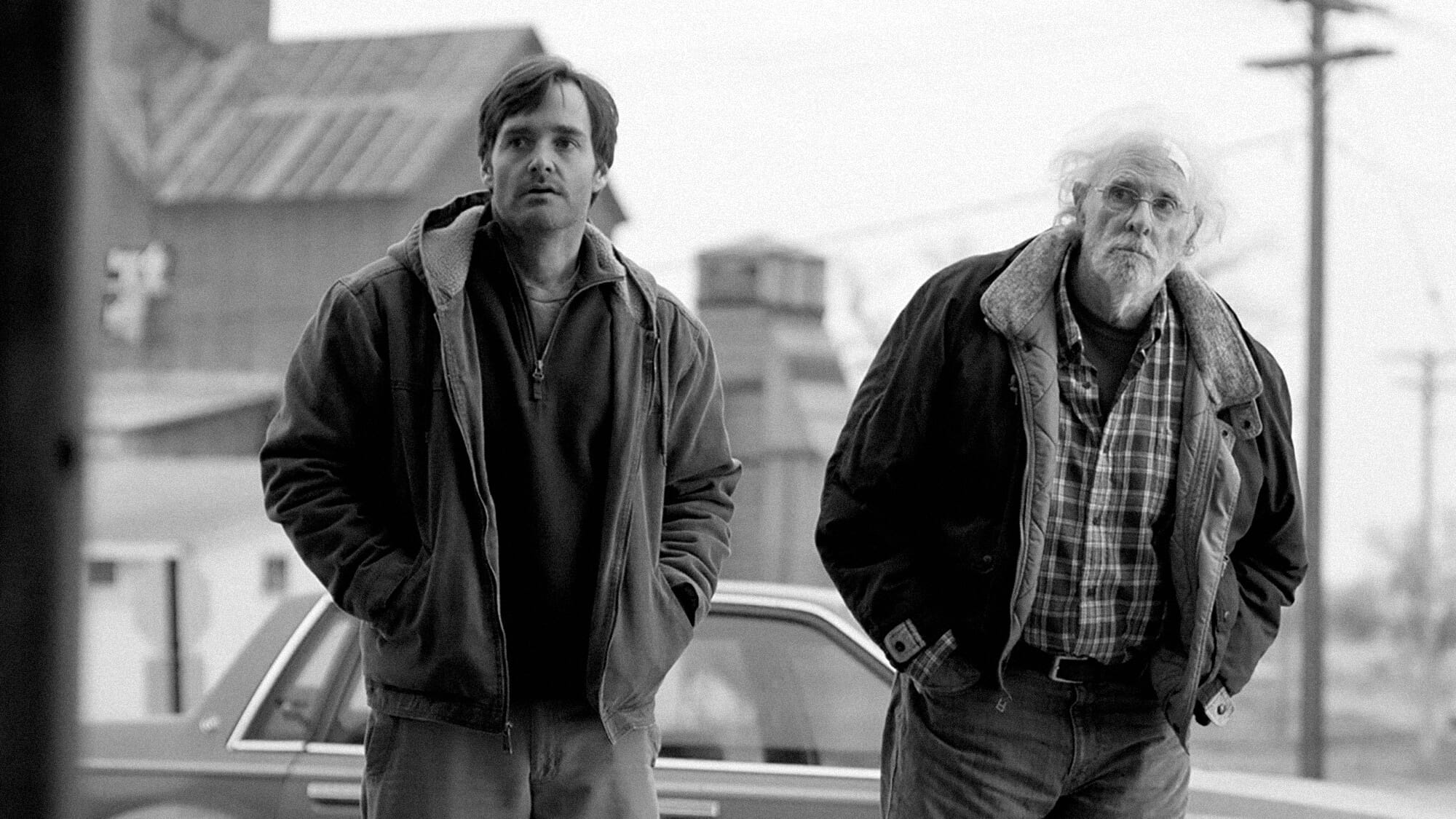
- Nebraska, a one-night screening on Wednesday, July 1.
- Totally F***ed Up, a one-night screening on Thursday, July 2.
- Another World, which opens Friday, July 3.
- Nashville, a one-night screening on Sunday, July 5.
- Pan's Labyrinth, a one-night screening on Tuesday, July 7.
- Umónhon Íye: The Omaha Speaking, a one-night screening on Wednesday, July 8.
- The Doom Generation, which opens Thursday, July 9.
- The Stranger, which opens Friday, July 10.
- Stolen Kingdom, which opens Friday, July 10.
- Coco, a one-day free screening on Saturday, July 11.
- Without Arrows, a one-night screening on Monday, July 13.
- Remember the Drumstick, a one-night screening on Wednesday, July 15.
- Nowhere, a one-night screening on Thursday, July 16.
- Trainspotting, a one-night screening on Friday, July 17.