You don't need an AI-generated flyer
On my knees, begging local businesses to do better.

I spend a lot of time each week looking at flyers for local events. Some are excellent; for example, a lot of bands in Lincoln clearly put thought and effort into designing cool, eye-catching posters for their shows.
Some flyers are garish and ridiculous. Those, I can live with. Graphic design is some people's passion and I'm not gonna take that away from them.
But sometimes (and increasingly often) I stumble across a flyer that is clearly the product of ChatGPT. These are garbage and should not exist.
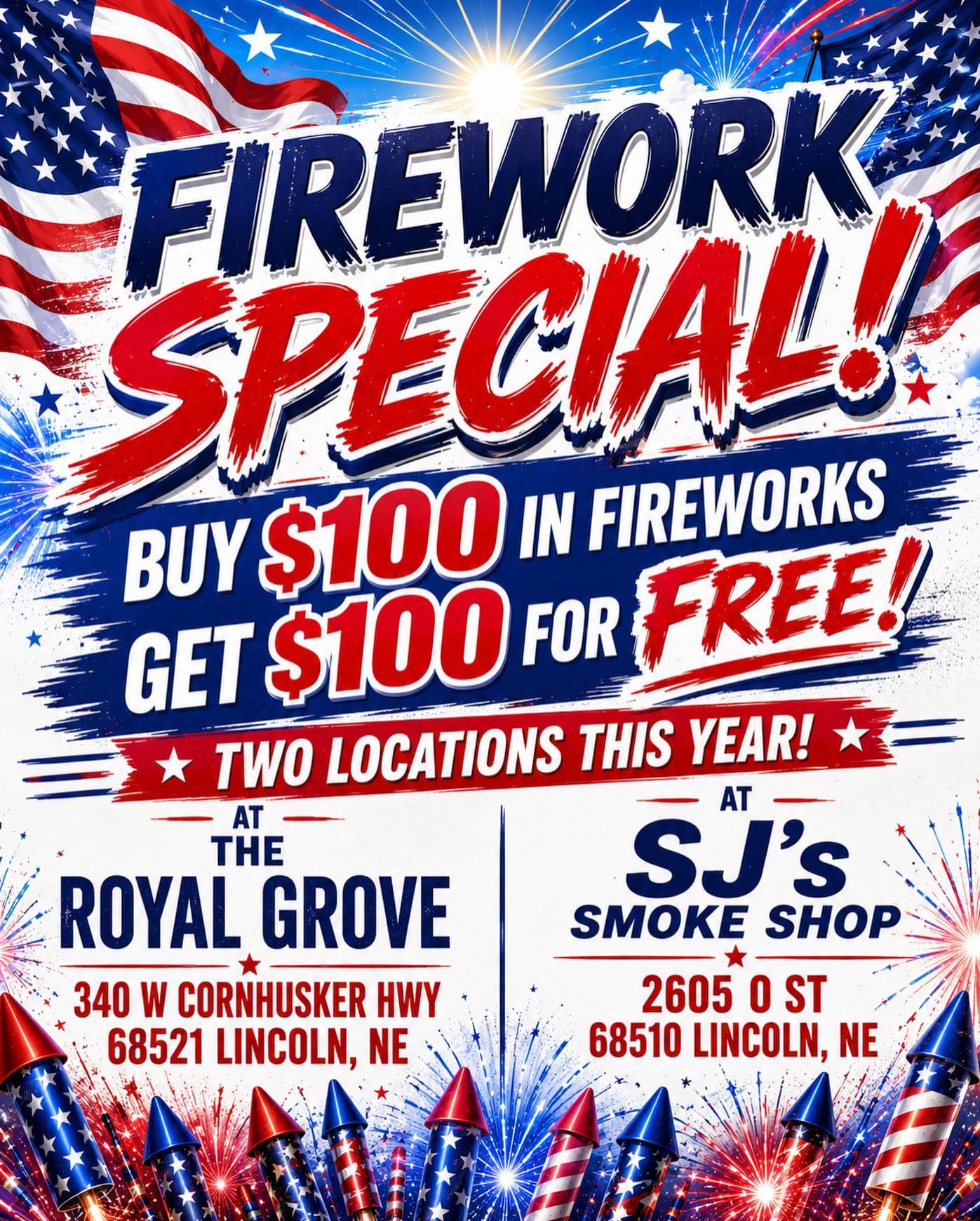
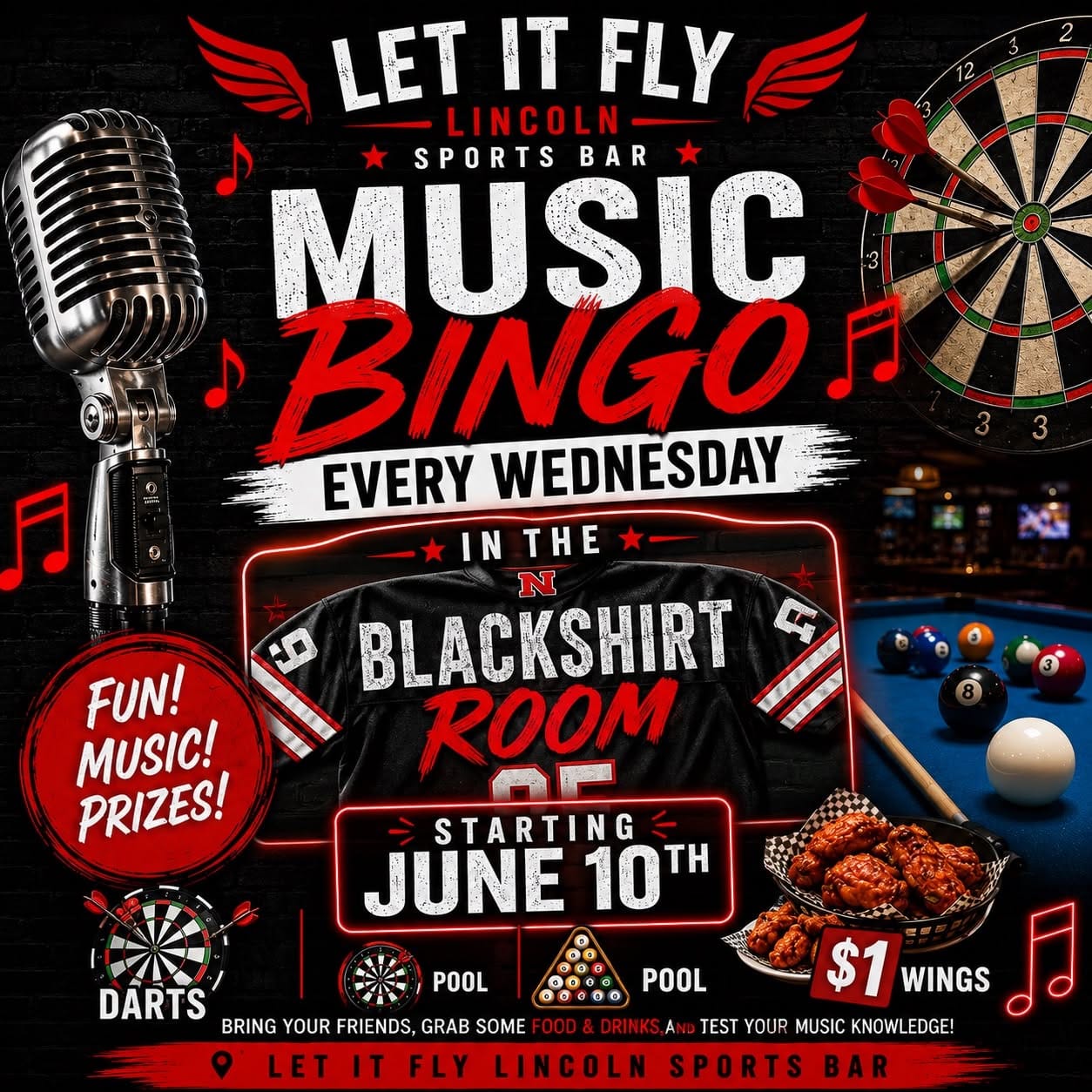
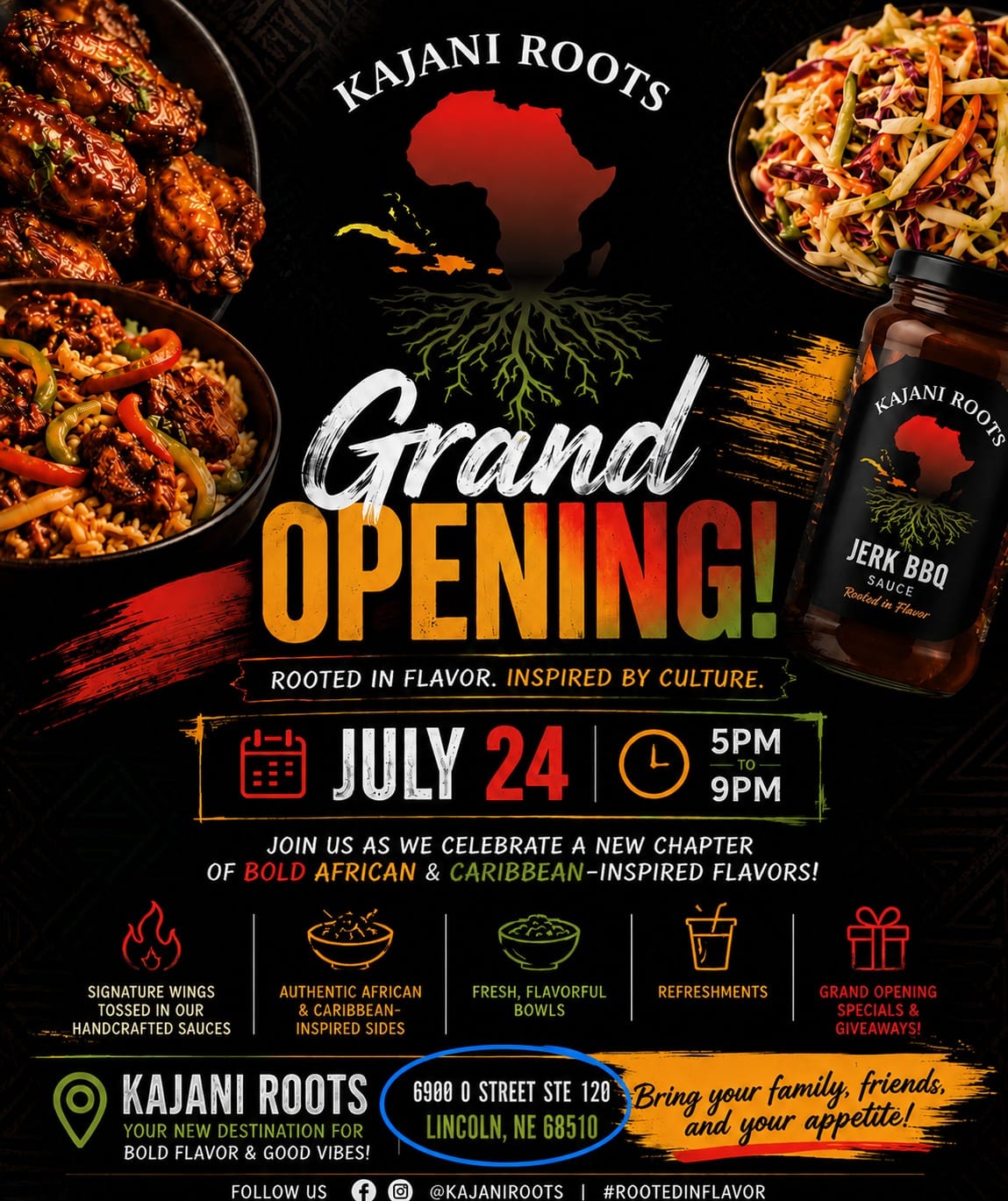
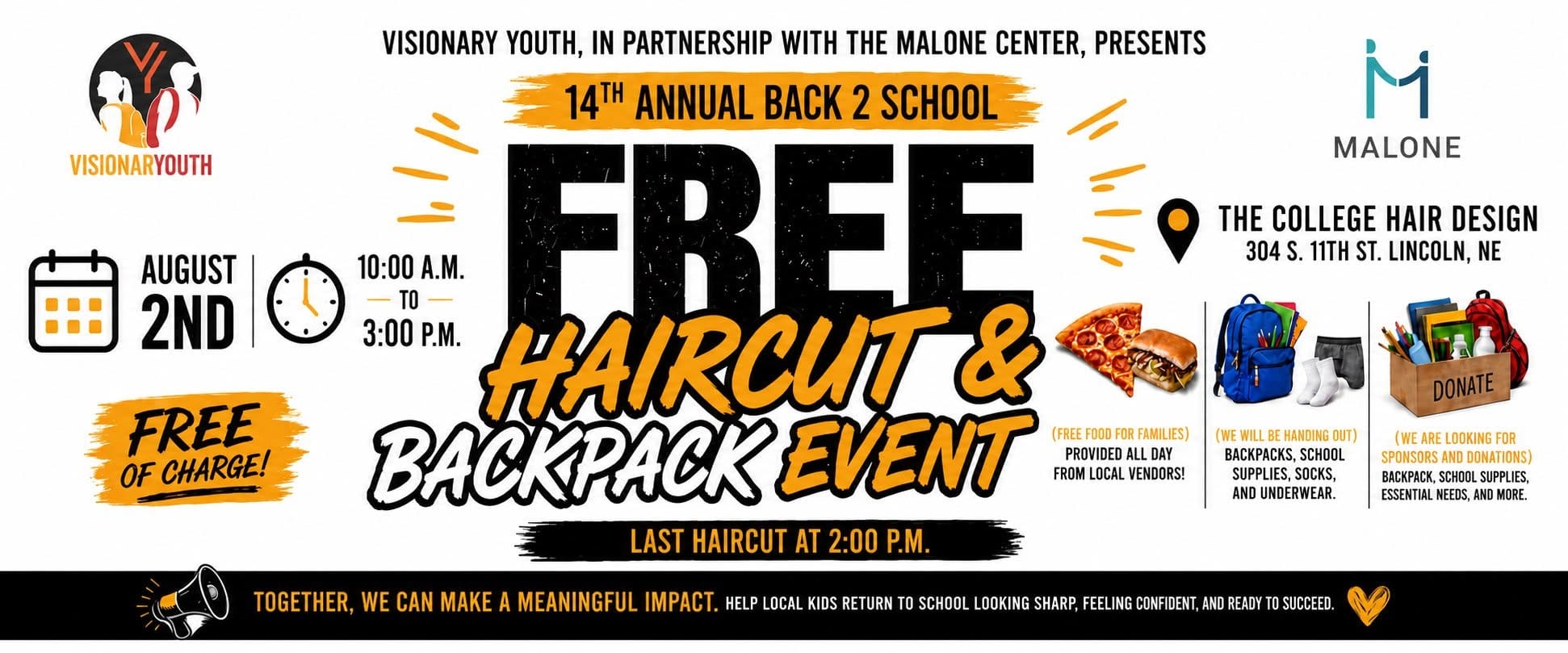
How do I know they're AI generated? Well, it's true that many image generators have gotten more sophisticated recently. Some of the obvious indicators — like human hands having a weird number of fingers — have been trained out of most modern models. But the default style of flyers created using ChatGPT is still distinct. While there's inevitably some variation, the chatbot tends to fall back on a predictable pattern of design elements, especially if the user doesn't provide specific guidance. The most obvious signs of a ChatGPT flyer, at least to my eyes, are the paint-like swatches of color that often serve as text boxes. But there are other tells. The tech journalism outlet 404 Media published a good rundown earlier this week:
Once you notice a ChatGPT flyer, you will see them everywhere if you keep your eyes open. The art of the format is basically big, flashy bright text on dark background and an AI-generated or AI-altered image. There is almost universally a little box of generic icons in a bulleted list vaguely tied to whatever event or business it’s advertising, lines coming off of the text to emphasize whatever it’s saying, and either bolded words or underlined text and tons of arrows and checkmarks haphazardly strewn throughout.
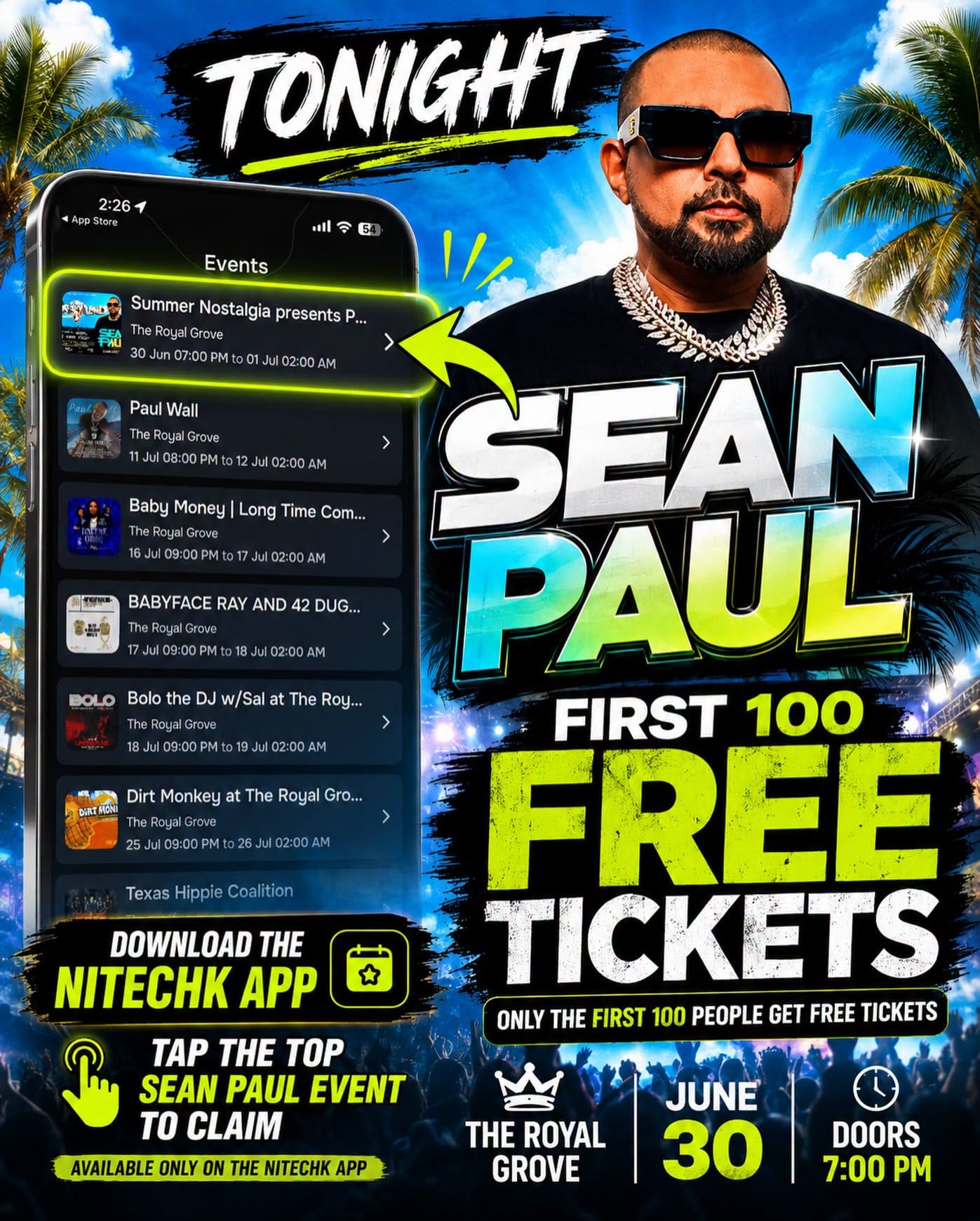
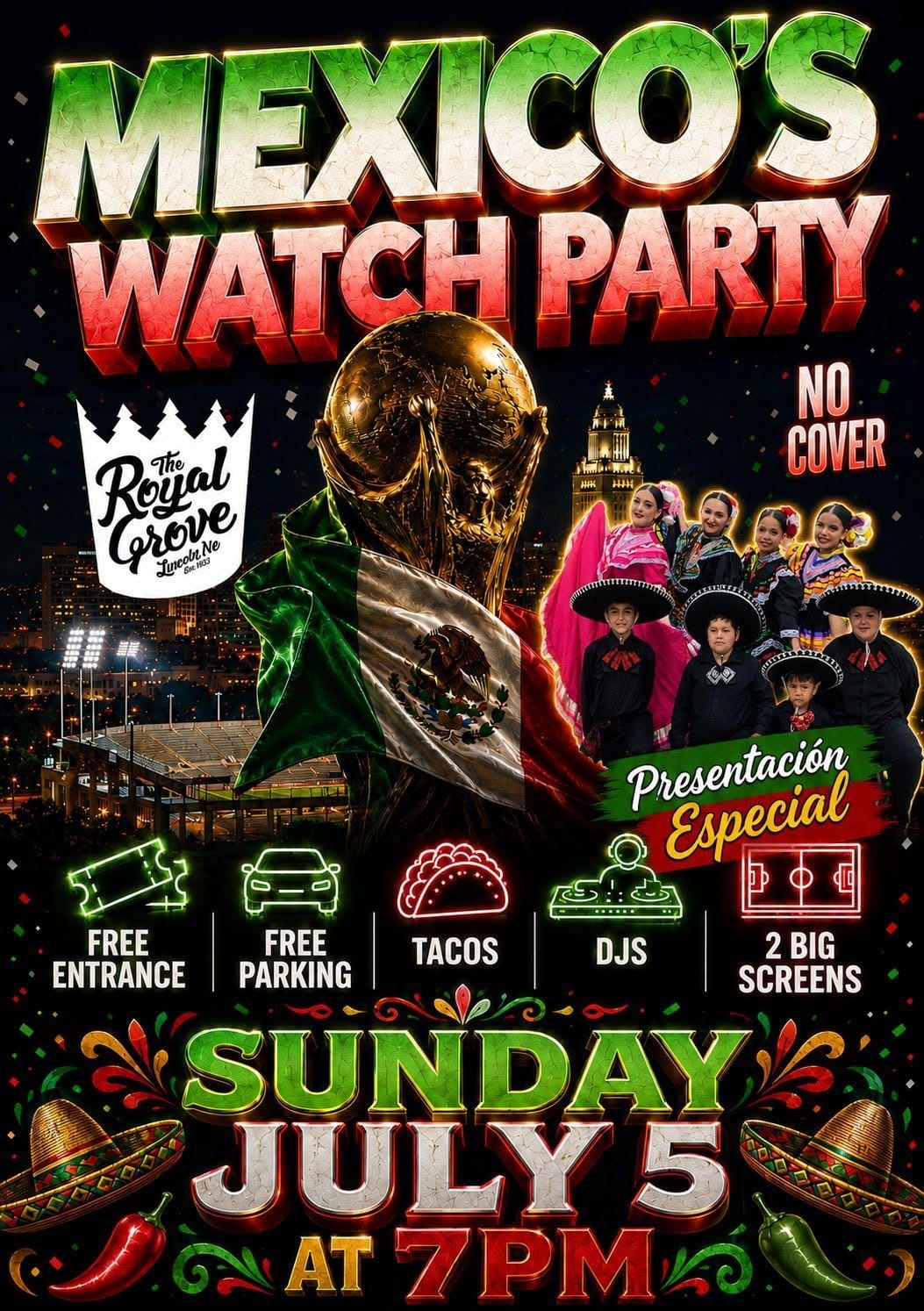
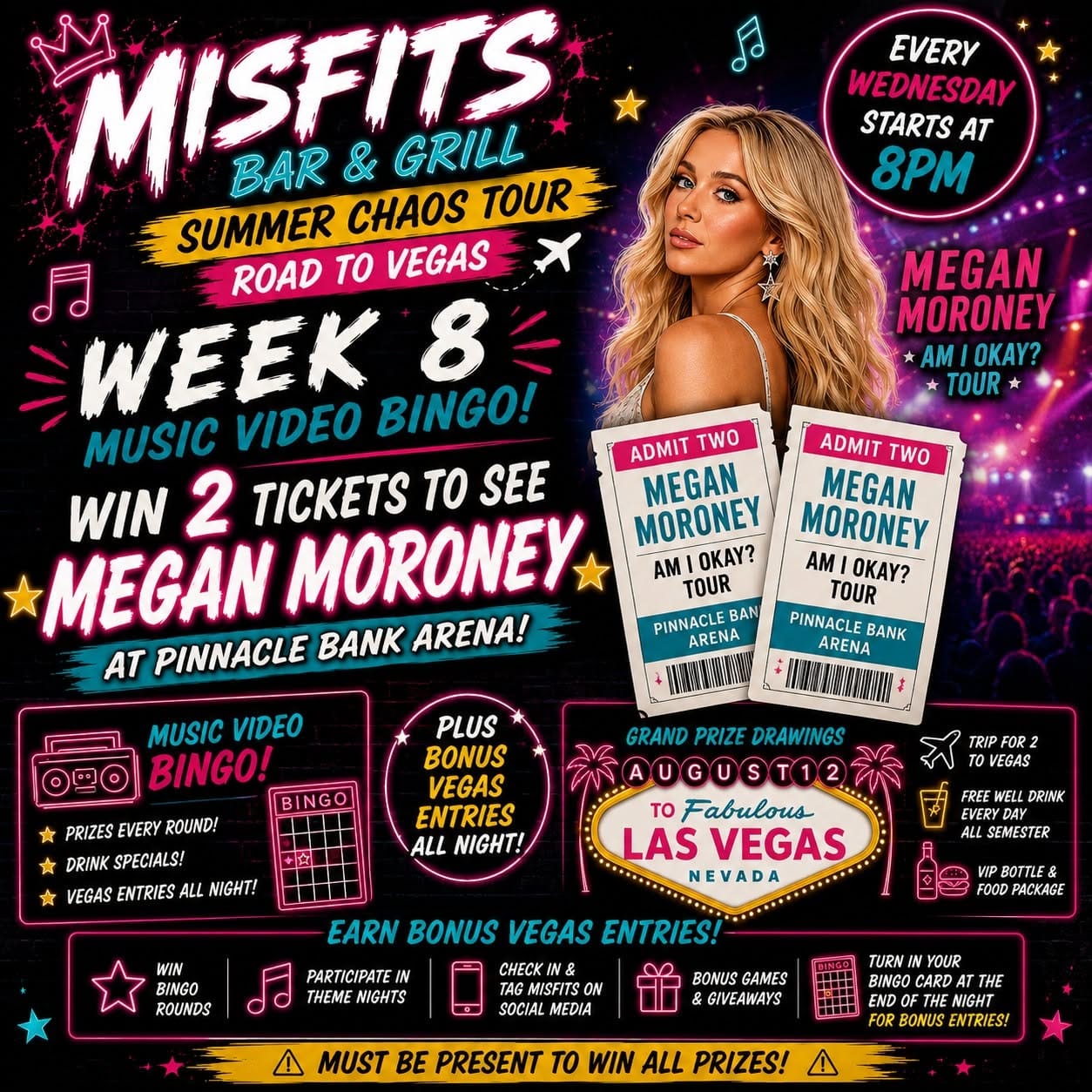
Here's a few examples I came across while putting together my last few event calendar posts:

My eyes hurt.
To be fair, I wouldn't include the fireworks sale or music bingo in the newsletter no matter what kind of flyer they used. Those just aren't things I find interesting. But what about a back-to-school event organized by the Malone Center that provides free backpacks and haircuts to kids? That sounds like a good community-centered event! Too bad they're using a slop machine to promote it. I'm also interested in trying out Kajani Roots, the new African Caribbean place coming to east Lincoln. But it makes me sad to see them using ugly ChatGPT flyers.
While I'm doing call-outs, I may as well mention that some local businesses use AI advertising more than others. The music venue The Royal Grove is one of the worst offenders. Their social media pages are just a nonstop firehose of generic visual sludge. Half of the flyers in that hideous collage are theirs.
So why care about this? I've seen folks argue that we shouldn't be so hard on local businesses for using these kind of ads. A small organization might not have much of a marketing budget, and ChatGPT can, in theory, provide a simulacrum of professionalism quickly and cheaply. (Plus, advertising has always been a soulless endeavor, right?)
But that's stupid! Because even if you discount all the usual arguments against AI — the environmental damage caused by data centers, the fact that the models are trained by exploiting the work of actual artists, etc. — there's still a practical cost. Using a ChatGPT flyer sends a message that goes beyond the literal text, and the message is "I don't actually care about the thing I'm advertising." Maybe some audiences don't notice or care, but a lot of people do! And they'll take their attention and business elsewhere.
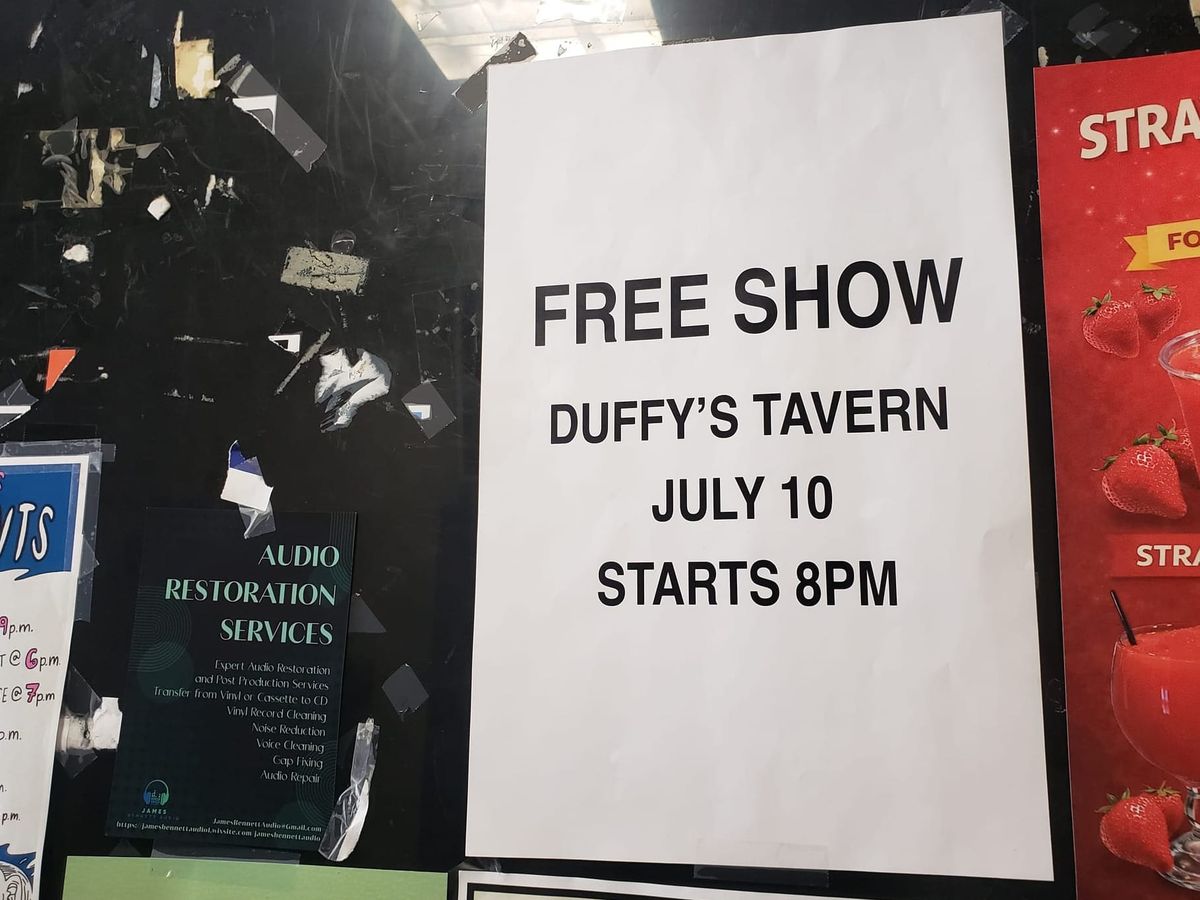
Moreover, you don't even need an AI chatbot to make a flyer quickly and cheaply. Ironically, the visual clutter and aesthetic sameness of all the slop creates a new opportunity for flyers that simply do less. Just look at this one for a show at Duffy's — happening tonight! — which restored my faith in humanity, if only slightly:
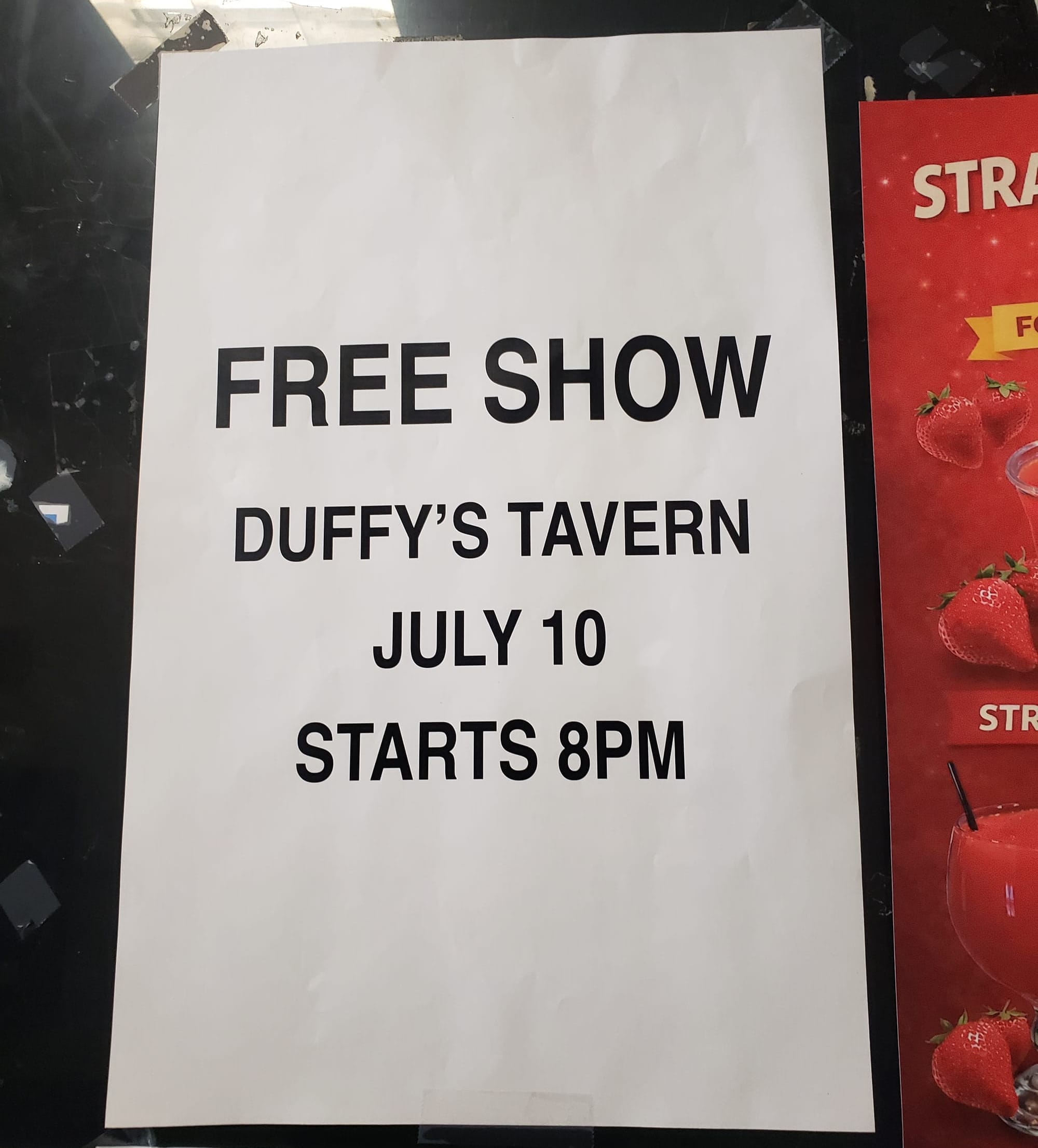
Is the solution to the "ChatGPT Flyer Pandemic" just typing text into a word document and hitting print? No probably not. But also kinda yes?
Not every flyer can or should look like this (and frankly, if this one were advertising anything other than a music show, I don't know if it would work). What's important are not the specific aesthetic choices being made, but instead the fact that choices are being made at all. The minimalism is a conscious design decision; the enticing vagueness is deliberate; and that's all I'm really asking for: Proof that there's still a human on the other end, someone who cares about the quality of whatever they're promoting.
A Coca-Cola commercial is always going to be a meaningless, cynical product, whether it uses AI or not. But ads for businesses that are rooted in Lincoln's community don't have to be.
~ Ty