A documentary about state-sponsored propaganda
Now Playing: Mr Nobody Against Putin

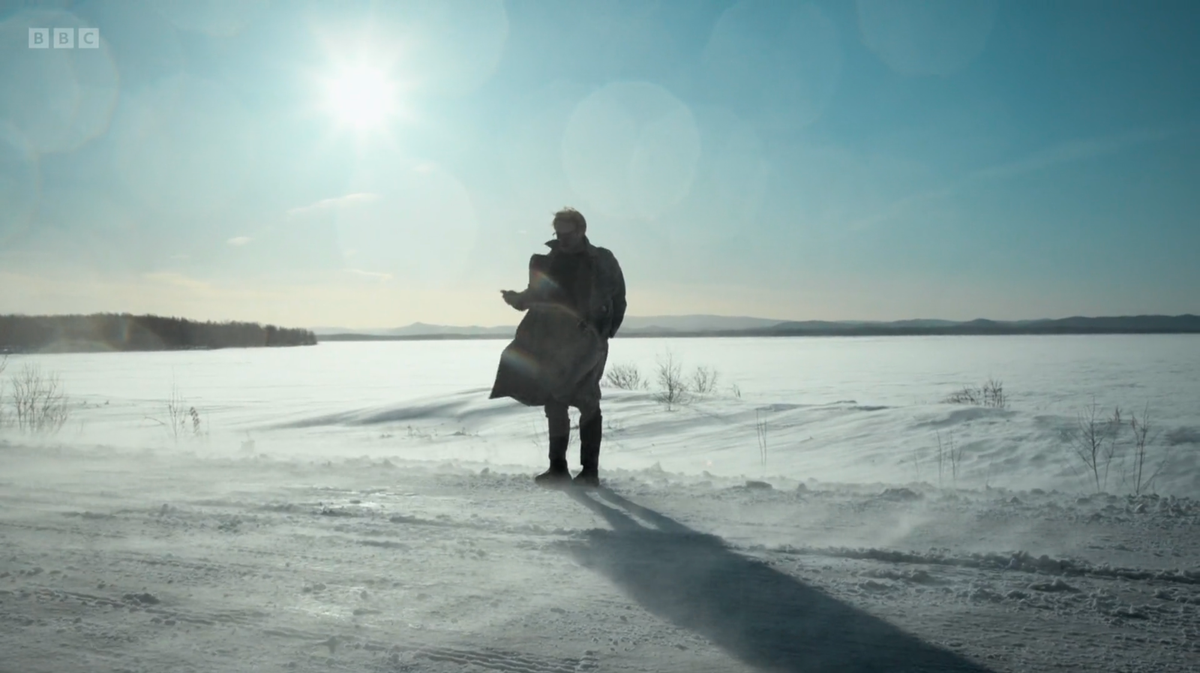
Hi,
There are two films playing at the Ross right now: Immediate Family, a documentary about four session musicians who have an impressive resume of collaborations with major acts; and Mr Nobody Against Putin, the Oscar-winning documentary about a Russian school teacher who resists state propaganda after his country's invasion of Ukraine.
I saw Mr Nobody Against Putin on Friday. It's worth watching, though my main takeaway is that it's more interesting for its historical significance than any artistry or craft — and there are some ethical questions the film inadvertently raises but doesn't really grapple with. More on that below.
First, here's everything else that's coming soon:
- Challengers, a one-night free screening on Tuesday, April 21, presented by the UNL Film Club.
- I Swear, which opens Friday, April 24 and runs through Thursday, April 30.
- Nika & Madison, which opens Friday, April 24, and runs through Thursday, April 30.
- The Art of Dissent, a one-night screening on Saturday, April 25.
- Cronos, a one-night screening on Tuesday, April 28.
- Four Nights of a Dreamer, a one-night screening on Wednesday, April 29.
- Turner & Constable, a one-night screening on Sunday, May 3.
- Yi Yi, a one-night screening on Wednesday, May 6.
Please share the newsletter with your friends! I'm quite bad at self-promotion; it's a character flaw. But that means your recommendation really helps.
Now Playing: Mr. Nobody Against Putin
No film can be watched in a vacuum, so I'd like to get some personal context out of the way: I'm quite cynical about documentaries focused on Russia that clearly cater to audiences at Western film festivals. They are often framed as Important — emphasis on the capital "I" — but are mostly uninteresting; historically significant, but artistically sterile. Navalny, which won an Oscar for best documentary in 2023, is my go-to example: That film is so preoccupied with selling us a story about a heroic man fighting against an authoritarian regime that it mostly smooths over any potential rough edges or complexities.
So when I tell you I thought Mr Nobody Against Putin was just okay — well, maybe you'll understand why.
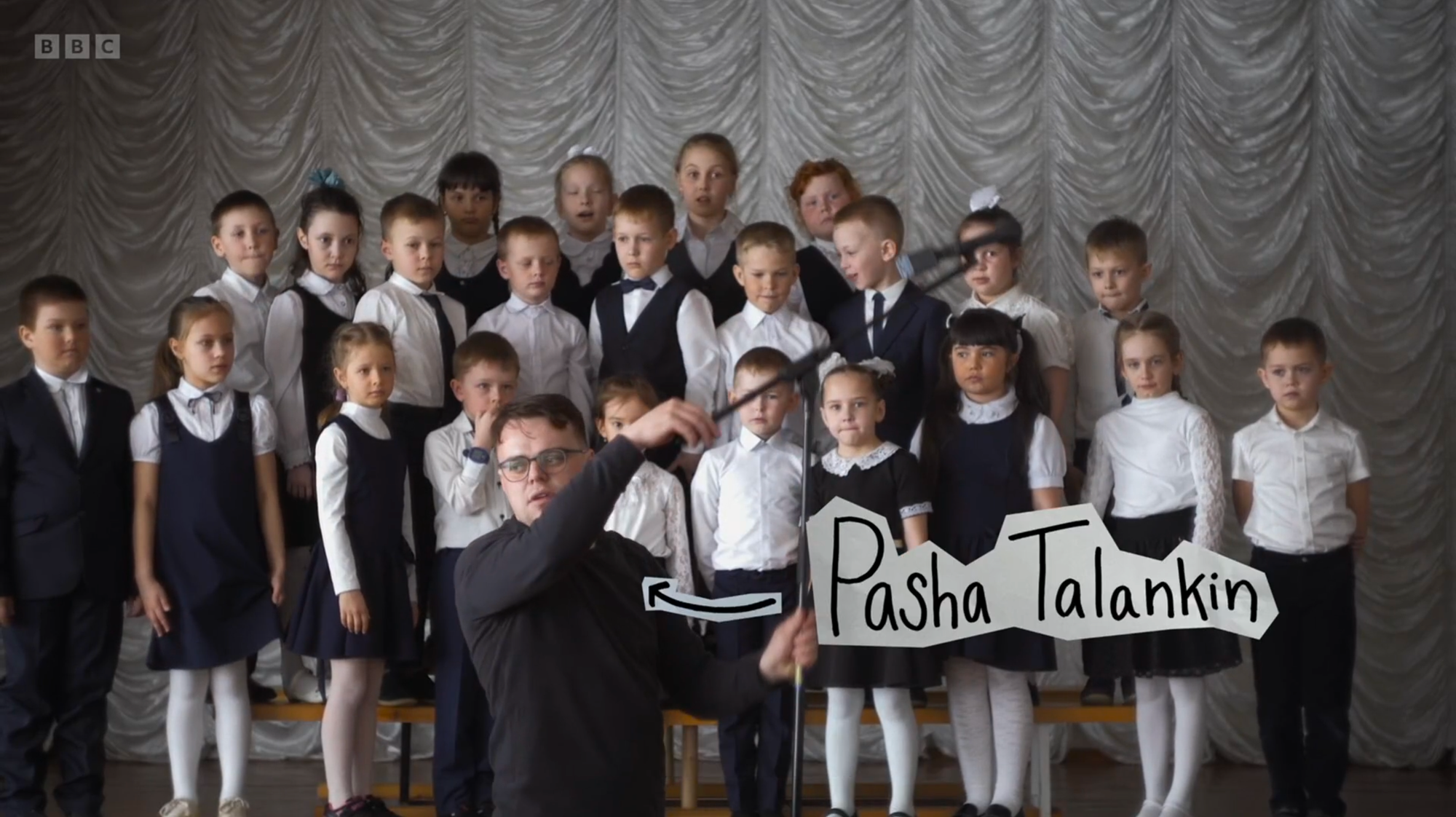
The documentary focuses on Pavel "Pasha" Talankin, a teacher and videographer at a school in the Russian city of Karabash. Much of Pasha's job involves organizing and filming special events; he also makes his office available as a safe space for students to express themselves creatively, and he genuinely seems to care about their well-being.
But when Russia invades Ukraine in early 2022, the school begins to change in radical, unsettling ways. A new, state-mandated curriculum arrives, and teachers are forced to lecture on the importance of Russian nationalism and justify their country's decision to wage war. Pasha, meanwhile, is required to film these lessons and send footage to the government as proof that orders are being followed.
It's somewhat unclear when exactly Pasha — who served as co-director, did much of the cinematography, and narrates via voiceover — begins conceptualizing what he's doing on the job as subversive filmmaking that could find an audience outside Russia. About 40 minutes in, he describes being contacted by a producer with the BBC about creating a documentary based on his experiences in the school. But many of the film's early scenes are clearly shot with something in mind. Before he ever hears from the BBC, Pasha, who has become tired of producing propaganda, films himself handing in a letter of resignation — an odd choice unless he was already thinking about his actions in cinematic terms. (He later gets his job back so he can continue gathering footage for the documentary in secret.)
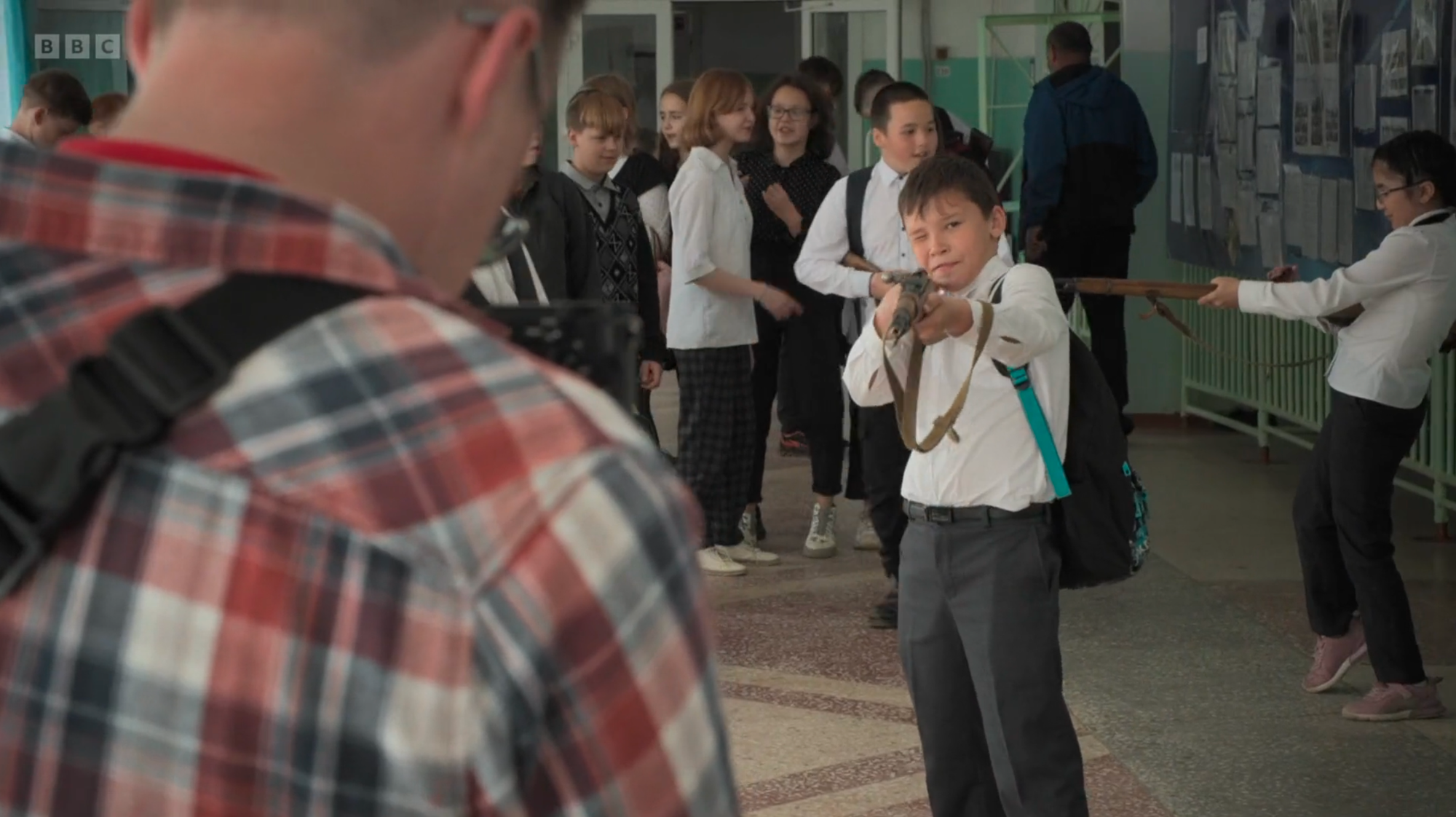
Pasha certainly isn't the only person disturbed by the new approach to education (if you can even call it that), which gradually escalates from stiff lectures about the dangers of foreign spies to full-scale military drills and classroom visits from the Wagner Group, the notorious paramilitary organization. Many of his fellow teachers seem reluctant or at least uncomfortable and awkwardly stumble through lessons about "demilitarization" and "denazification" (two flimsy justifications for Putin's decision to invade Ukraine). As Pasha puts it: "Some were struggling with the new words of the curriculum."
But the camera also takes note of one teacher, Pavel Abdulmanov, who embraces the new pedagogy with a disturbing level of enthusiasm. Over the course of the film, Pavel becomes an unknowing foil to Pasha; where the former is a "true believer," eager to propagandize his pupils, the latter is haunted by the effect the war is having on students he's close to. Some see their siblings sent off to die, while several boys are recruited or drafted to fight soon after graduating.
This connection between Pasha and his students provides the emotional core of Mr Nobody Against Putin. "I am a teacher forced to do the exact opposite of what a teacher should do," he says at one point. But this student-teacher relationship is also the source of the film's most pressing ethical problem, one that Pasha never truly grapples with: Namely, the extent to which his students are aware that he's filming them for a documentary that could conceivably put their safety at risk. I kept hoping the film would pay some attention to the ethics of its own construction, or at least tell us more about whether these kids consented in any meaningful way. But it never comes up.
The absence is especially glaring because the documentary paints Pasha — not without reason — as a hero who cares deeply for the young people who look up to him. A teacher's first responsibility is to their students, and the gamble Pasha seems to make is that this documentary will help them more than anything else he could do. But is this footage ultimately worth the risk he's taking? Could there be consequences for the students, especially those who are shown on camera being less than enthusiastic about the war? These are complex questions that any competent documentation would ask themselves; Pasha and the Western filmmakers he collaborated with seem to have talked about these things. I just wish we could've seen more of those conversations reflected on screen.
That would probably have made Mr Nobody Against Putin a bit messier. The film as it exists is a tight, compelling story, and slowing down to wrestle with uncomfortable moral gray areas would almost certainly have disrupted the narrative structure. But I suspect the result would have been more interesting and perhaps more honest.
Got an event you want to see featured in next week's event roundup? Submit it here. You can also send feedback, suggestions, compliments, criticism and ideas for things I should write about to tynanstewart@proton.me
I'm also on Letterboxd, Instagram and Bluesky so follow me there or whatever.
~ Ty