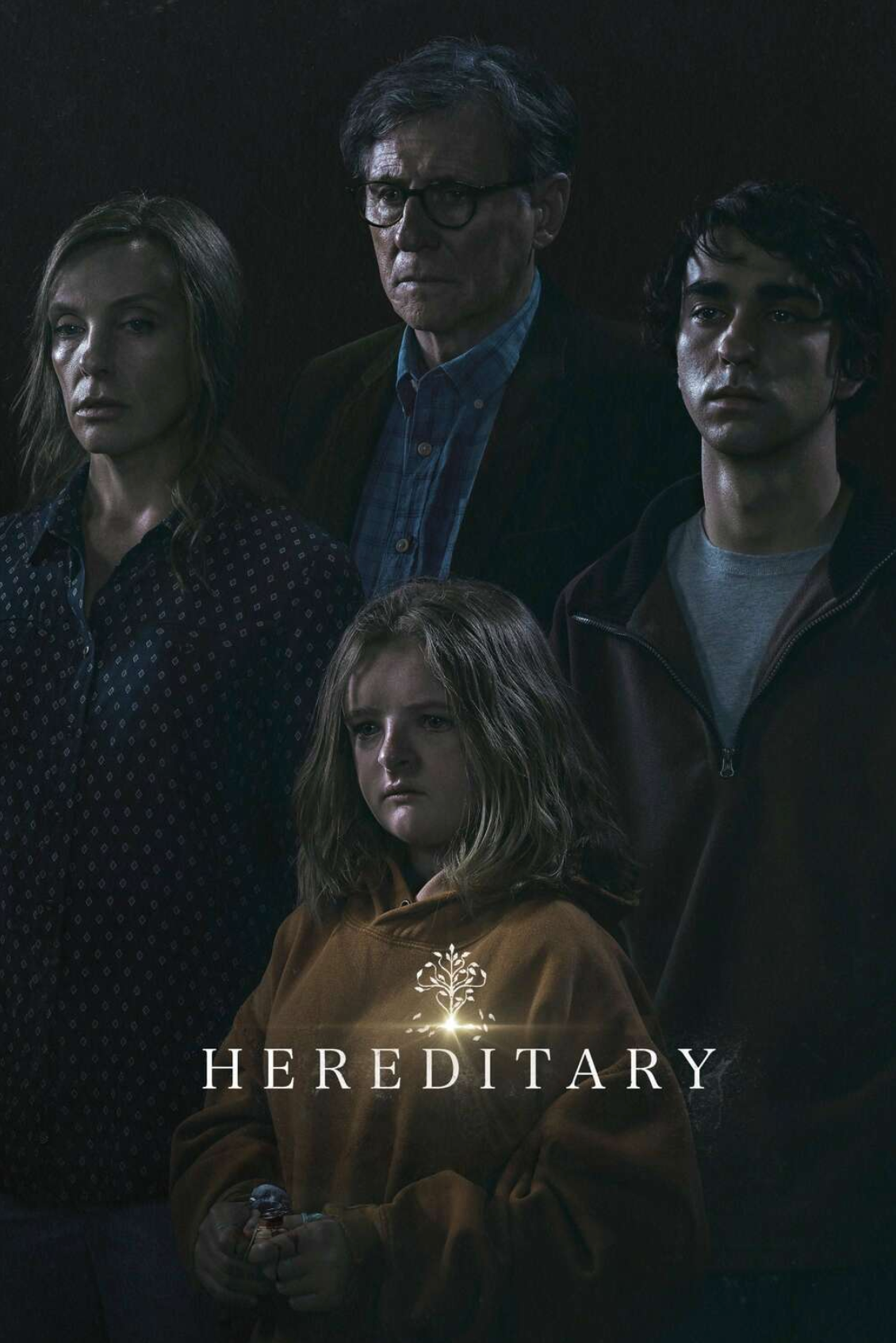
Hereditary
I avoided this one for a long time.

Hi,
This is part of my ongoing Fright Fest 2026 coverage. You can find my previous reviews here and the full list of upcoming films here.
If you're new to This Week In Lincoln, welcome. You can read a bit more about the series in this post:
 Tynan Stewart
If you're currently a free subscriber, please consider supporting the newsletter financially. You'll get access to a subscriber exclusive column and my eternal gratitude.
You can also support me on Patreon (and receive a complimentary paid subscription to the newsletter by doing so) or leave a one-time tip. A big thank-you to everyone who already contributes, you absolutely help to defray the costs of keeping this project going.
And thanks for reading! You can reach me with questions or feedback at tynanstewart@proton.me or by just replying to this email.
- I enjoyed Ari Aster's film Midsommar (although "enjoyed" is perhaps the wrong word) and despised his most recent release Eddington (seriously fuck that movie). So I figured I had a roughly 50/50 chance of appreciating his breakout hit from 2018.
- As readers of this series already know, horror films are still kind of a new thing for me, and I avoided this one for a long time in part because there are things about it that I knew would mess me up. In general, I have trouble with extreme gore, sadism and — the thing that's actually relevant to Hereditary — depictions of insects. That last one probably sounds weird! It's true though. I was really dreading the scene that's teased in the trailer of ants crawling all over Peter's face and body.
- And that scene did in fact mess me up. But I still found Hereditary really interesting.
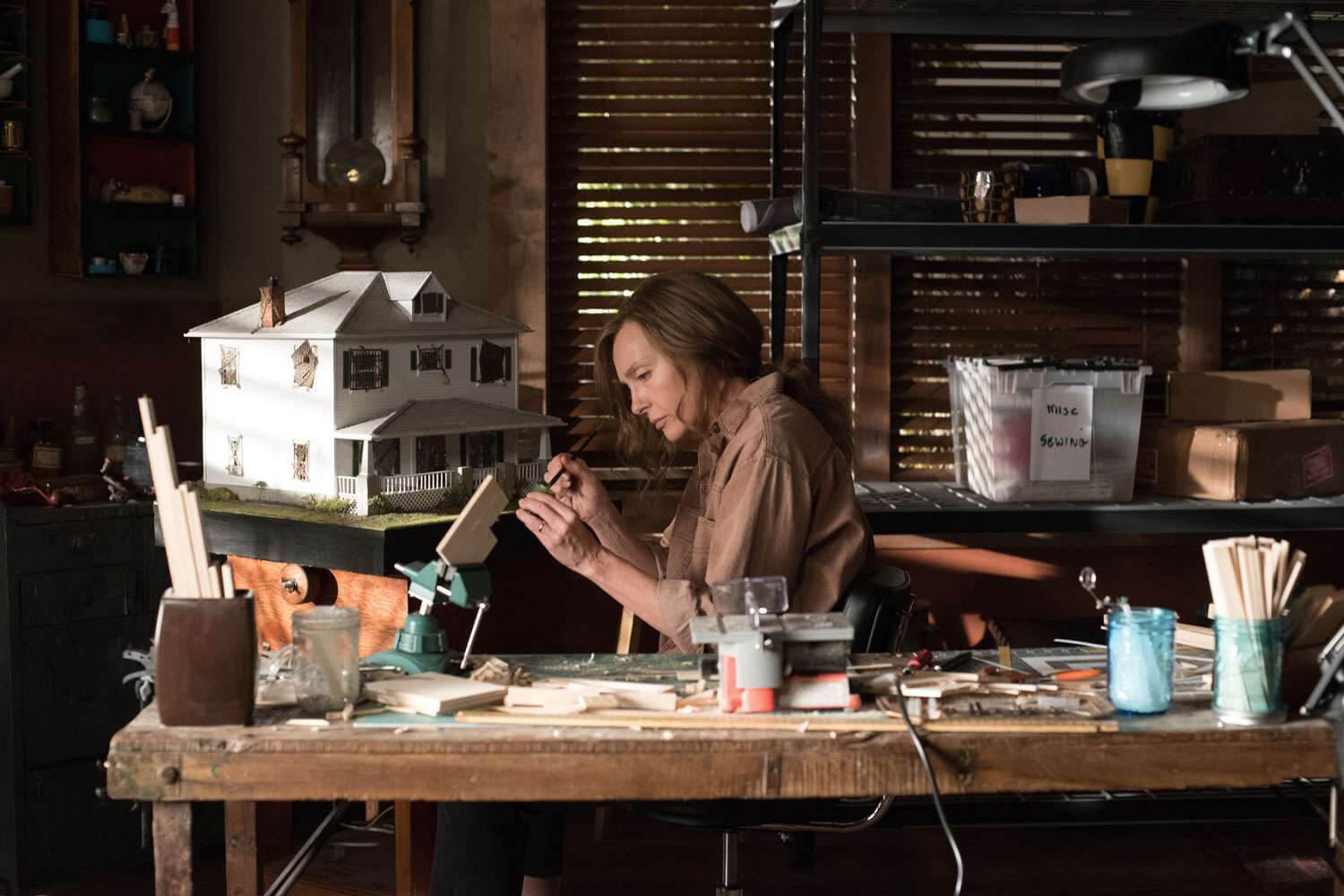
- I especially love the iconography and thematic implications of Annie's miniatures. They are, perhaps unconsciously, her attempt to exercise control over her household. Her life has always been chaotic and unstable but her painstaking recreations of family scenes are a way of freezing that chaos in place, allowing her to distance herself from that pain and examine it. She says at one point that the miniatures are simply objective, factual recreations from a "neutral view." Obviously untrue — they are artistic renderings and inherently interpretive — but this comment gives us some insight into why she makes them: She believes she is putting the facts of her life in order, giving them logic and (perhaps) meaning. One reason to create art (though certainly not the only one) is to explain and give shape to the inherent pain of existence, precisely what Annie seems to be doing.
- At the same time, the act of recreating these moments ends up causing even more pain, as when she reproduces the car accident that sheared off Charlie's head. (Her husband, clearly revolted by the gruesome tableau, asks her to think about what Peter would feel if he saw her rendering of the event, a reminder that the creative process is more selfish than most artists would like to admit.)
- On a more self-reflexive level, the miniatures are a stand-in for filmmaking itself. It's not just that both are acts of creativity; the opening shot of the movie literally transitions between Annie's recreation of Peter's bedroom and the actual film set, which blurs the boundary between the two.
- The miniatures are a cool visual motif and their presence also helps reinforce some of the film's central questions: To what extent are we in control of our lives? How many of our decisions, actions and behaviors are the result of things our parents have done and the mistakes they've already made? And conversely if you are a parent: How much damage can you cause, intentionally or not, in your child's life? Do your own decisions about how to raise and treat them ultimately matter at all?
- To take my point about the parallels between the miniatures and filmmaking one step further: How much of the Graham family's dysfunction is part of a script written by Annie's psychotic, occultist mother? The easy answer seems to be "all of it." But there's also a lingering sense that if Peter or Annie had done something differently, if they'd been able to communicate and understand each other better, perhaps things wouldn't have gone so poorly.
- Toni Collette is phenomenal in this by the way. I feel like I haven't given her enough credit as a performer, probably because the most recent things I've seen her in were hot garbage (Mafia Mama and Juror #2). But the scenes of her curled on the floor sobbing after Charlie's death and the argument at the dinner table are emotionally devastating.
- My one major complaint about this film is that there's an unfortunate inelegance to the way the Graham's family history is dumped on the audience. The scene in which Annie visits a grief support group and details her entire traumatic childhood feels jarringly disconnected from the rest of the film. It's essential knowledge for interpreting the events on screen, but I wish it wasn't such a blatant example of telling over showing in a movie otherwise so eager to show you gruesome, unforgettable images.
- Fright level: 7/10
- Enjoyment (once again, the wrong word) level: 7/10
Up Next
Wednesday, October 21
Film: Leviticus (2026)
+ When: 6 pm
+ Where: Ross Media Arts Center, 313 N 13th St. (Google Maps)
+ Cost: $10 | $5 for members | $1 for UNL students
More details: "Two teenage boys must escape a violent entity that takes the form of the person they desire most — each other."
Wednesday, October 21
Film: It Follows (2014)
+ When: 8 pm
+ Where: Ross Media Arts Center, 313 N 13th St. (Google Maps)
+ Cost: $10 | $5 for members | $1 for UNL students
More details: "A young woman is followed by an unknown supernatural force after a sexual encounter."
Friday, October 23
Film: Let the Right One In (2008)
+ When: 6:45 pm
+ Where: Ross Media Arts Center, 313 N 13th St. (Google Maps)
+ Cost: $10 | $5 for members | $5 for UNL students
More details: "When Oskar, a sensitive, bullied 12-year-old boy, meets his new neighbor, the mysterious and moody Eli, they strike up a friendship. Initially reserved with each other, Oskar and Eli slowly form a close bond, but it soon becomes apparent that she is no ordinary young girl."
Friday, October 23
Film: A Girl Walks Home Alone at Night (2014)
+ When: 9:15 pm
+ Where: Ross Media Arts Center, 313 N 13th St. (Google Maps)
+ Cost: $10 | $5 for members | $5 for UNL students
More details: "In the Iranian ghost-town Bad City, a place that reeks of death and loneliness, the townspeople are unaware they are being stalked by a lonesome vampire."